

Tamil Nadu Announces Power Subsidy for Eateries Switching from LPG to Electric Stoves Amid Fuel Crisis
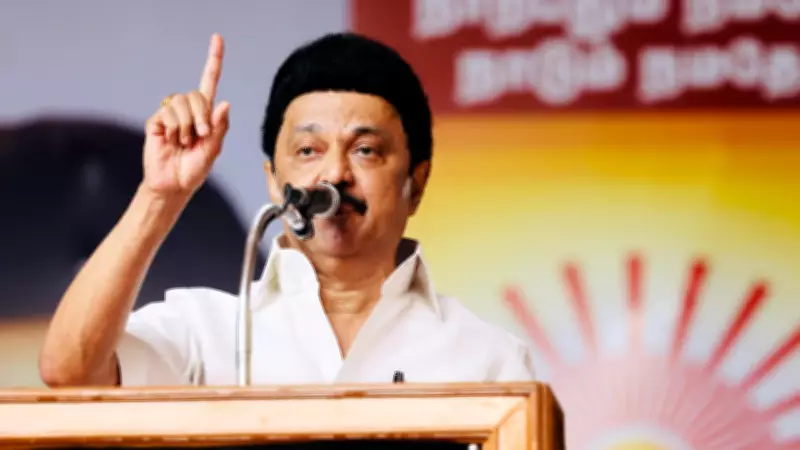
Tamil Nadu Chief Minister MK Stalin on Saturday unveiled a significant subsidy initiative aimed at restaurants, tea shops, cloud kitchens, and other food production units. The state government will provide a subsidy of Rs 2 per unit on additional electricity consumption for establishments that transition from LPG to electric stoves. This move is part of a broader strategy to address a fuel shortage linked to escalating tensions in the Gulf region.
Addressing LPG Shortages and Ensuring Operational Continuity
The decision was made during a review meeting chaired by Chief Minister Stalin at the Secretariat. The meeting focused on assessing the impact of LPG shortages on industries and the food sector, with the goal of ensuring smooth operations. According to J Radhakrishnan, Chairman and Managing Director of the Tamil Nadu Power Generation and Distribution Corporation, the disruption began after a joint military attack by the United States and Israel on Iran on February 28. In response, Tehran blocked ships passing through the Strait of Hormuz, affecting the supply of crude oil and LPG from the Gulf region to India.
Under the new measure, eateries that shift to electric cooking will receive the subsidy for the additional electricity consumed. This subsidy will apply during the period when commercial LPG usage restrictions, imposed by the central government, remain in force.

Comprehensive Support for Businesses and Entrepreneurs
To further support micro, small, and medium enterprises, the Tamil Nadu government will offer subsidized loans for purchasing electric equipment such as stoves and heaters. Specific schemes include:
- Unemployed Youth Employment Generation Programme: Eligible entrepreneurs can avail of a 25 percent subsidy, up to ₹3.75 lakh.
- Tamil Nadu Women Entrepreneurship Development Scheme: Provides a 25 percent subsidy capped at ₹2 lakh for loans up to ₹10 lakh to support women-led businesses.
- Annai Ambedkar Business Champions Scheme: Offers a higher capital subsidy of 35 percent, up to ₹1 crore, for SC and ST entrepreneurs to promote the adoption of high-efficiency electric machinery.
Flexibility in Fuel Usage and Pollution Control Relaxations
The government has also allowed industries to temporarily switch to alternative fuels such as kerosene, RDF, HSD, and biomass instead of LPG and CNG. These units will not require fresh consent approvals from the Tamil Nadu Pollution Control Board and only need to inform the authorities in advance. This relaxation will remain effective during the period of LPG and CNG restrictions.
Across Tamil Nadu, approximately 60,698 factories operate with permission from the pollution control board, using fuels like LPG, CNG, diesel, furnace oil, and firewood.
Support for Farmers and Milk Producers
To mitigate the impact on agriculture, the state announced that Aavin cooperative societies will procure excess milk produced by farmers without restrictions. Tamil Nadu has 9,300 primary milk producers’ cooperative societies capable of handling around 55 lakh litres of milk per day.
Additionally, farmers will be permitted to sell vegetables and fruits freely in 194 Uzhavar Sandhais, or farmers’ markets, across the state. This measure aims to ensure their livelihoods are not affected if restaurants reduce operations due to the LPG shortage.
Monitoring and Fuel Stock Assurance
A state-level monitoring committee under the Chief Secretary, along with district-level committees headed by district collectors and officials from oil distribution companies, will be formed to monitor LPG allocation to commercial establishments.
The state has supplied an additional 3,228 kilolitres of kerosene this month to ration card holders through the Public Distribution System. A state government oil companies coordinator assured that fuel stocks remain adequate, urging people not to panic.

"Petrol and diesel stocks are sufficient for one month, and further arrangements will also be made. There is no need for the public to panic. Due to rumours, petrol and diesel sales have doubled. Gas cylinders are normally supplied in urban areas once every 25 days, and there is sufficient stock for up to one month. LPG supplies will be prioritized for hospitals, schools, and college hostels," the coordinator stated.
Proactive Government Measures
Chief Minister Stalin had earlier chaired a review meeting on March 10 regarding the LPG shortage, directing departments to take measures to address the restrictions. Subsequently, the state food and civil supplies minister met with industry representatives and hotel and restaurant associations on March 11 to discuss their concerns. The chief secretary also held review meetings on March 9, 12, and 13 with officials from relevant departments to coordinate responses.





