

Samajwadi Party Endorses Women's Reservation, Targets BJP Over Caste Census
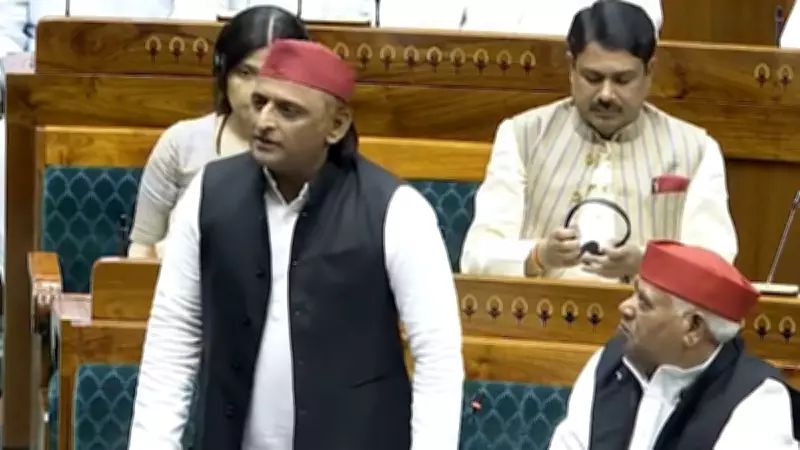
In a significant development in the Lok Sabha, Samajwadi Party (SP) leader Akhilesh Yadav has publicly backed the women's reservation bill, marking a notable shift in the party's stance. However, Yadav simultaneously launched a sharp critique against the Bharatiya Janata Party (BJP), accusing it of deliberately avoiding a nationwide caste census. This dual approach underscores the deepening political divisions as parties navigate sensitive social issues ahead of the 2026 elections.
SP's Conditional Support for Women's Quota
Akhilesh Yadav emphasized that the Samajwadi Party supports the principle of women's reservation in legislative bodies, viewing it as a crucial step toward gender equality in Indian politics. He stated that empowering women through such quotas is essential for inclusive governance and societal progress. However, Yadav clarified that this support is not unconditional; he called for the implementation to be fair and transparent, ensuring that women from all backgrounds, including marginalized communities, benefit equally.
This move represents a strategic pivot for the SP, which has historically been cautious about women's reservation due to concerns over its impact on other disadvantaged groups. By endorsing the quota, Yadav aims to position the party as progressive while addressing core voter bases that prioritize social justice.

BJP Accused of Evading Caste Census
In a more contentious part of his address, Akhilesh Yadav lambasted the BJP-led government for what he described as a deliberate evasion of conducting a comprehensive caste census. He argued that without accurate data on caste demographics, policies like the women's quota risk being ineffective or even exacerbating existing inequalities. Yadav highlighted that a caste census is vital to understand the socio-economic status of various communities and to tailor affirmative action measures accordingly.
The absence of a caste census, according to Yadav, allows the BJP to sidestep accountability and maintain a status quo that favors certain groups over others. He pointed out that this issue has been a longstanding demand from opposition parties and social activists, who believe it is necessary for equitable resource distribution and political representation.
Political Implications for 2026 Lok Sabha Elections
The timing of these statements is critical, as they come amid preparations for the 2026 Lok Sabha elections. By coupling support for women's reservation with criticism of the BJP on caste census, Akhilesh Yadav is crafting a narrative that appeals to both gender advocates and social justice proponents. This could help the SP consolidate its support among key demographics, including women voters and backward caste communities.
Political analysts suggest that this strategy may pressure the BJP to clarify its position on these issues, potentially forcing it into a defensive stance. The debate over women's quota and caste census is likely to intensify in the coming months, shaping electoral discourse and policy discussions.
- Samajwadi Party's endorsement of women's reservation signals a shift toward inclusivity.
- Akhilesh Yadav criticizes BJP for avoiding caste census, calling it essential for fair policies.
- These developments highlight growing political tensions as parties gear up for 2026 elections.
In summary, Akhilesh Yadav's dual stance in the Lok Sabha reflects a nuanced political maneuver aimed at balancing progressive ideals with grassroots demands. As India moves closer to the 2026 polls, such issues are set to dominate the national conversation, influencing both legislative agendas and voter sentiments.






