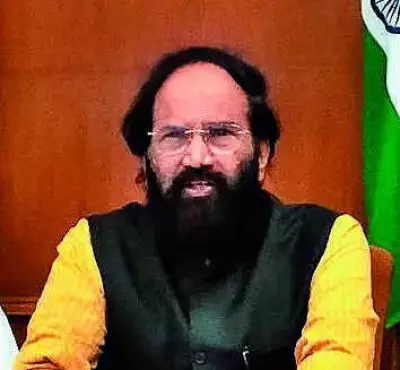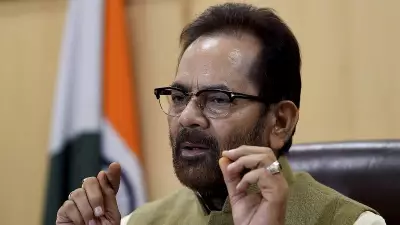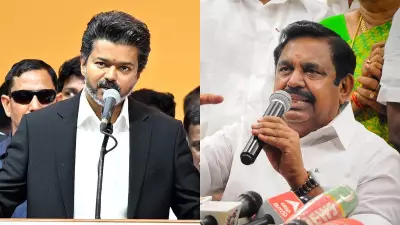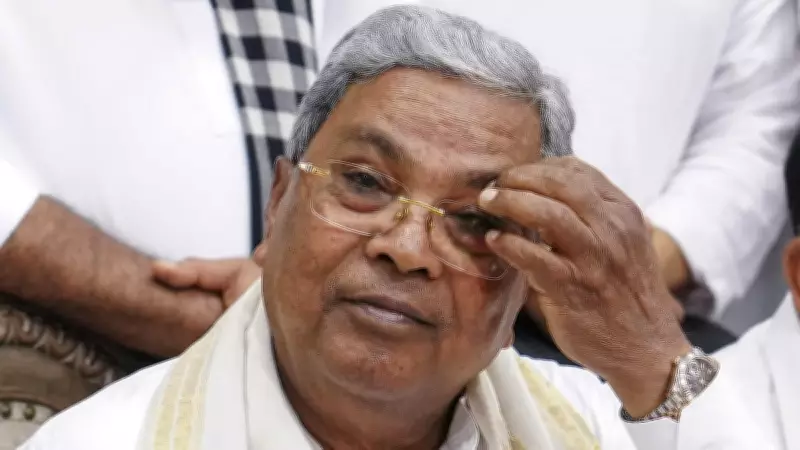
The recent leadership reset in Indian politics has brought to the forefront the critical need for stability. As the nation witnesses a shift in power dynamics, it becomes imperative to ensure that the transition does not disrupt the governance framework. The editorial underscores that while change is inevitable, the continuity of policies and institutional strength must be preserved to maintain economic and social progress.
The Imperative of Stability
Stability in leadership is not just about the absence of conflict but about the presence of a coherent vision for the future. The current political landscape, marked by a reset in leadership roles, demands a focus on long-term goals rather than short-term gains. The editorial argues that without stability, the benefits of any policy reform or developmental initiative may be undermined.
Governance Continuity
One of the key aspects highlighted is the need for governance continuity. Frequent changes in leadership can lead to policy paralysis and uncertainty, affecting investor confidence and public trust. The editorial points out that a stable leadership environment fosters better decision-making and implementation of schemes.

Policy Coherence
Policy coherence is another critical element. The editorial emphasizes that any leadership reset should be accompanied by a clear roadmap for policy direction. This includes maintaining the momentum on economic reforms, social welfare programs, and foreign policy initiatives.
Challenges Ahead
The editorial also acknowledges the challenges that come with leadership transitions. These include potential friction between new and old guard, adjustment periods, and the risk of populist measures derailing long-term plans. It calls for a mature political discourse that prioritizes national interest over partisan agendas.
Role of Institutions
Strong institutions are the bedrock of stability. The editorial stresses the importance of independent judiciary, free press, and robust civil services in ensuring that leadership changes do not lead to institutional decay. It advocates for strengthening these pillars to withstand political upheavals.
Conclusion
In conclusion, the editorial makes a compelling case for stability following leadership reset. It urges all stakeholders—politicians, bureaucrats, and citizens—to work towards a stable and progressive India. The path forward, as the editorial suggests, lies in embracing change while safeguarding the core values of democracy and development.