

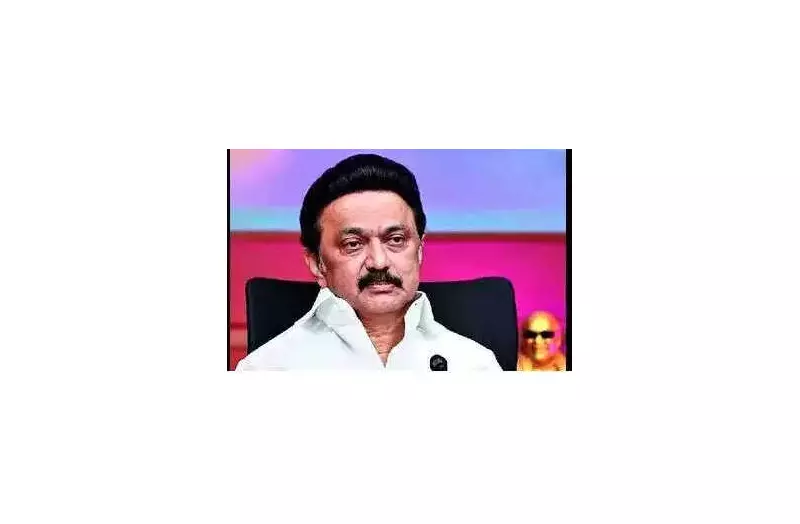
Stalin Dismisses Modi's 'Double Engine' as 'Dabba Engine' in Tamil Nadu
Chief Minister M K Stalin of Tamil Nadu launched a sharp critique on Sunday, targeting Prime Minister Narendra Modi's advocacy for a 'double engine' governance model. In a pointed remark, Stalin labeled it a 'dabba engine' or waste engine, asserting it has no place in the state's political landscape.
Historic Growth Despite Hurdles
Stalin emphasized that Tamil Nadu has achieved significant growth milestones despite facing numerous obstacles from the BJP-led Union government. He highlighted the state's resilience, stating it has shattered all barriers and emerged as a leading development hub without relying on the so-called double engine framework.
Response to Modi's Speech
The Chief Minister's comments were a direct rebuttal to Modi's recent speech, where the Prime Minister argued that an NDA double engine government in Tamil Nadu would propel the state to higher growth trajectories. Stalin countered by comparing Tamil Nadu's progress with states like Uttar Pradesh, Madhya Pradesh, and Bihar, which he implied have not benefited from such models.

Key Grievances Against the Union Government
In a detailed post on social media platform X, Stalin outlined several critical issues, accusing the BJP government of consistently betraying the people of Tamil Nadu. His grievances include:
- Delay in releasing Rs 3,458 crore due under the Samagra Shiksha Abhiyan.
- Uncertainty over whether Tamil Nadu's Lok Sabha seats will be reduced during delimitation.
- Concerns about the Governor's role, described as functioning like a BJP agent.
- Questions about Tamil's financial allocation compared to other languages.
- Clarity on the continuation of MGNREGA and the withdrawal of VBGRAMG, which he claims shifts financial burdens onto states.
- Delays in inaugurating Madurai AIIMS and approvals for Hosur airport, Coimbatore metro, and Madurai metro projects.
- Rejection of the Keeladi report and refusal for NEET exemption.
- Release of disaster relief funds sought by the state.
Political Allies and Opponents Weigh In
DMK MP Kanimozhi Karunanidhi joined the attack, raising additional concerns such as voter deletions in Chengalpattu, disproportionate funding for Tamil versus Sanskrit, and the custody of Tamil Nadu fishing boats and fishermen in Sri Lanka.
On the defensive side, AIADMK general secretary Edappadi K Palaniswami retorted that Stalin runs a 'faulty engine government' and should have submitted proper documents for metro rail approvals. Former BJP state president K Annamalai responded, assuring that southern states' parliamentary constituencies would not be reduced and noting that Madurai AIIMS construction is nearing completion, with operations expected later this year.
Broader Implications
This exchange underscores the ongoing political tensions between the DMK-led state government and the BJP-led Union administration. It reflects broader debates over federalism, resource allocation, and development models in India, with Tamil Nadu positioning itself as a success story independent of central governance frameworks.






