Stalin Demands Constitutional Reform After Governor's Repeated Assembly Walkouts
In a significant development that has reignited debates about gubernatorial powers in Indian states, Tamil Nadu Chief Minister M K Stalin has called for the complete abolition of the traditional Governor's address to legislative assemblies. This bold demand comes directly in response to a controversial incident that unfolded in the Tamil Nadu Assembly on Tuesday, January 22, 2026.
Third Consecutive Walkout Sparks Constitutional Crisis
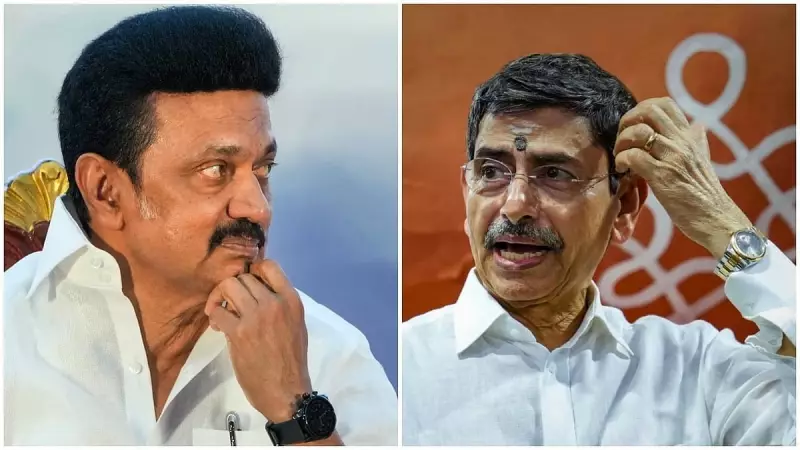
The immediate trigger for Stalin's unprecedented demand was the action of Tamil Nadu Governor R N Ravi, who for the third consecutive time walked out of the House without delivering the customary address. This constitutional speech, prepared by the state government, outlines the administration's policy agenda and legislative priorities for the upcoming session.
Governor Ravi's repeated refusal to read the address has created what many political observers are calling a constitutional impasse. The tradition, rooted in colonial-era practices, requires the Governor to formally open the legislative session by reading the government's prepared speech. Ravi's actions represent a dramatic departure from this long-standing parliamentary convention.

"First Tamil Nadu, Now Karnataka": Stalin's Broader Concern
Chief Minister Stalin's statement carried particular weight as he referenced not just the Tamil Nadu situation but also drew parallels with neighboring Karnataka. His remark, "First Tamil Nadu, now Karnataka", suggests a growing pattern of gubernatorial interventions in southern states that has alarmed elected state governments.
This reference points to increasing tensions between elected state governments and appointed Governors in multiple Indian states. Stalin's intervention elevates what began as a state-specific issue to a national constitutional debate about the appropriate role and powers of Governors in India's federal structure.
The Constitutional Dimension of the Controversy
The Governor's address tradition finds its basis in Article 176 of the Indian Constitution, which mandates that the Governor shall address the legislative assembly at the commencement of the first session each year. However, the content of this address is determined by the elected state government, creating an inherent tension when Governors choose to deviate from or reject the prepared text.
Stalin's call for ending this practice represents a fundamental challenge to a century-old parliamentary tradition that has continued from British colonial rule through India's independent democratic history. His position raises critical questions about whether this ceremonial function still serves a meaningful purpose in contemporary Indian democracy.
Political Reactions and National Implications
The incident has sparked immediate political reactions across party lines, with debates emerging about:
- The appropriate balance of power between elected state governments and centrally appointed Governors
- The constitutional propriety of Governors refusing to read government-prepared addresses
- The potential need for reforming gubernatorial powers and responsibilities
- The precedent this sets for center-state relations in India's federal structure
As the controversy unfolds, it highlights the increasingly contentious relationship between some state governments and Governors appointed by the central government. Stalin's demand for ending the Governor's address tradition represents more than just a response to a specific incident—it reflects broader concerns about preserving state autonomy within India's constitutional framework.
The Tamil Nadu Assembly incident and Stalin's subsequent demand have placed the Governor's address tradition under unprecedented scrutiny, potentially setting the stage for significant constitutional discussions about the role of Governors in India's parliamentary democracy.