Stalin Voices Support for Women's Quota but Raises Implementation Concerns
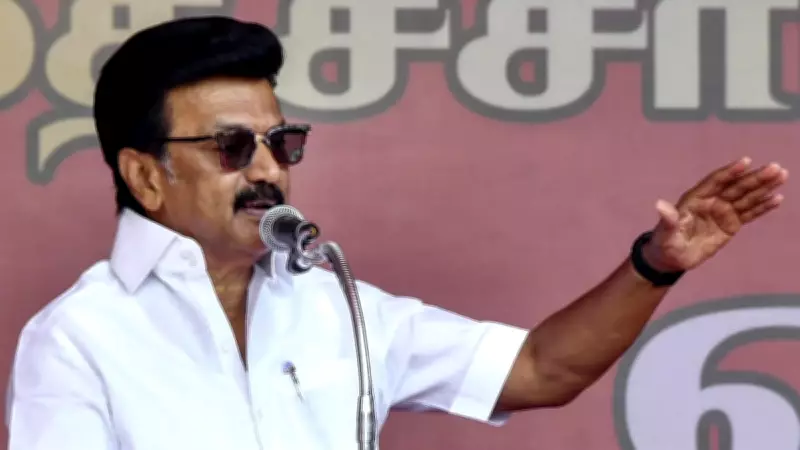
Tamil Nadu Chief Minister M.K. Stalin has declared his strong backing for the 33% women's reservation bill, a landmark legislative proposal aimed at enhancing female representation in Indian politics. However, he has simultaneously raised critical questions regarding its practical implementation, emphasizing the need for a fair delimitation process and updated census data before the quota can be effectively enforced.
Demands for Fair Delimitation and Census
In a detailed statement, Stalin highlighted that the success of the women's reservation bill hinges on transparent and equitable delimitation of constituencies. He argued that without a proper delimitation exercise, which redraws electoral boundaries based on population changes, the quota might not achieve its intended goal of empowering women across diverse regions and communities. Additionally, Stalin stressed the importance of conducting a new census to ensure accurate demographic data, as the current figures are outdated and could skew the reservation's impact.
Stalin pointed out, "While we wholeheartedly support the principle of women's reservation, it must be implemented in a manner that is just and inclusive. A fair delimitation process is essential to prevent any regional or social disparities from undermining this progressive move."

Context and Political Implications
The women's reservation bill, which proposes to reserve one-third of seats in the Lok Sabha and state legislative assemblies for women, has been a long-pending issue in Indian politics. Stalin's comments come amid ongoing debates in Parliament, where various political parties have expressed mixed views on the bill's timing and execution. As a key leader from Tamil Nadu, his stance adds significant weight to the discussion, potentially influencing broader national consensus.
Stalin's demands align with concerns raised by other opposition leaders who worry that without proper safeguards, the reservation could be manipulated or fail to address the needs of marginalized groups. His emphasis on delimitation and census reflects a broader call for systematic reforms in India's electoral framework to ensure fairness and representation.
Potential Impact on Women's Empowerment
If implemented with Stalin's suggested measures, the women's quota could mark a transformative step towards gender equality in Indian governance. By advocating for fair delimitation, he aims to ensure that women from all backgrounds, including rural and underserved areas, benefit equally from the reservation. This approach could enhance political participation and decision-making diversity, fostering more inclusive policies.
However, delays in conducting delimitation and census exercises might postpone the quota's enforcement, raising questions about the timeline for achieving these reforms. Stalin's intervention underscores the need for a balanced strategy that combines immediate support for women's rights with long-term structural adjustments.
In summary, M.K. Stalin's position on the women's reservation bill highlights a nuanced perspective: strong ideological support coupled with practical demands for fair implementation. His call for delimitation and census updates aims to strengthen the bill's effectiveness, ensuring it serves as a genuine tool for women's empowerment in India's democratic landscape.