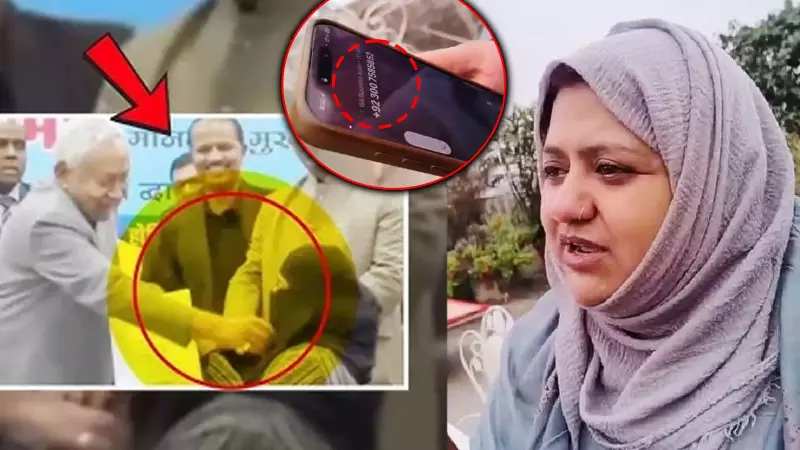
In a strong assertion of national sovereignty, Samajwadi Party leader and poet's daughter Sumaiya Rana firmly declined an interview request from a Pakistani television channel. The incident, which occurred on December 22, 2025, saw Rana stating that India's matters are domestic and must be resolved within the country.
A Poetic Refusal Echoes Patriotic Sentiment
When approached by the Pakistani channel, Sumaiya Rana, the daughter of renowned poet Munawwar Rana, did not give a plain refusal. Instead, she responded in a manner befitting her literary lineage, with a poignant verse. She recited, "Better if the arrow of sight stays in the heart, this is a household matter, better if it stays within the house." This poetic rebuff was not just a denial but a powerful metaphor emphasizing that internal national issues are not for external commentary.
Standing United Against External Interference
Elaborating on her stance, Rana stressed that neighboring countries should refrain from interfering in India's affairs. She highlighted that while there might be debates and differences within the nation, Indians ultimately stand united when it comes to the country's sovereignty. Her clear message was that she does not desire the involvement of Pakistan or any other nation in India's internal discussions. This statement swiftly captured public attention, becoming a viral topic across various social media platforms where it garnered widespread support from netizens.

Legacy and Political Resonance
The incident underscores a continuing tradition of using poetry and strong personal expression to convey patriotic views, a legacy from her father. By taking this firm position, Sumaiya Rana has positioned herself as a political figure who prioritizes national integrity. Her action resonates with a broader sentiment in Indian politics regarding the sanctity of domestic discourse and the rejection of unsolicited external perspectives on national matters.
The viral nature of her response indicates a public endorsement of her stance, reflecting a common viewpoint that matters of national concern should be addressed solely within the country's framework. This event adds to the ongoing narrative about India's assertive posture on the global stage regarding its internal sovereignty.