The Supreme Court on Monday refused to consider a public interest litigation (PIL) seeking a directive to fix minimum wages for priests working in temples across the country. A bench comprising Justices Vikram Nath and Sandeep Mehta observed that the court was not inclined to entertain the plea under Article 32 of the Constitution, which provides for the right to constitutional remedies.
Court's Observation
The bench noted that the petitioners, who claimed to be aggrieved, could directly approach the appropriate forum for redressal. "We are not keen on entertaining this petition under Article 32. Those who are aggrieved may approach the court directly," the bench remarked while dismissing the plea.
Background of the Plea
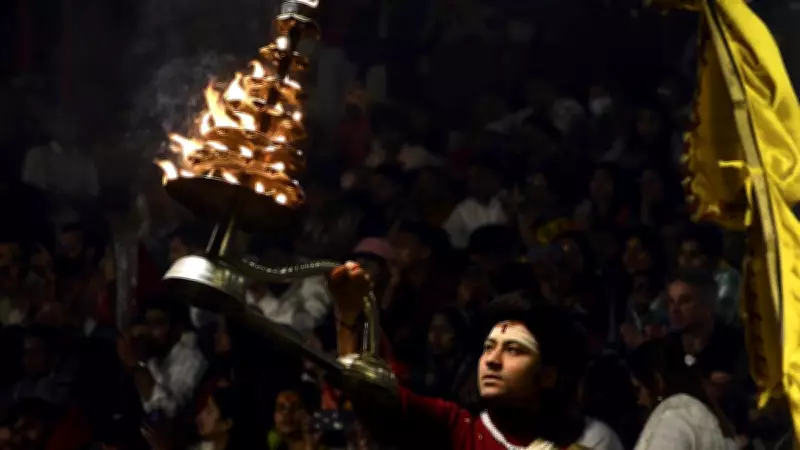
The PIL was filed by an organization representing temple priests, arguing that many priests work in deplorable conditions without any fixed remuneration. The plea sought the intervention of the apex court to mandate minimum wages for priests, akin to other skilled laborers, under the Minimum Wages Act, 1948. It highlighted that priests often rely on meager offerings and donations, which are insufficient for a dignified livelihood.

Legal Implications
Article 32 of the Constitution empowers individuals to directly approach the Supreme Court for enforcement of fundamental rights. However, the court has discretion in entertaining such petitions. The bench's refusal indicates that the issue may need to be raised in lower courts or through legislative avenues rather than through a direct constitutional challenge.
Reactions and Next Steps
Advocates for the priests expressed disappointment but stated they would explore other legal options, including filing a writ petition in a high court. Legal experts noted that the Supreme Court's decision does not preclude state governments or temple boards from voluntarily fixing wages for priests. The matter also raises broader questions about the rights of religious workers in India.
This development comes amid ongoing debates about the economic conditions of temple staff and the need for social security measures in the religious sector.