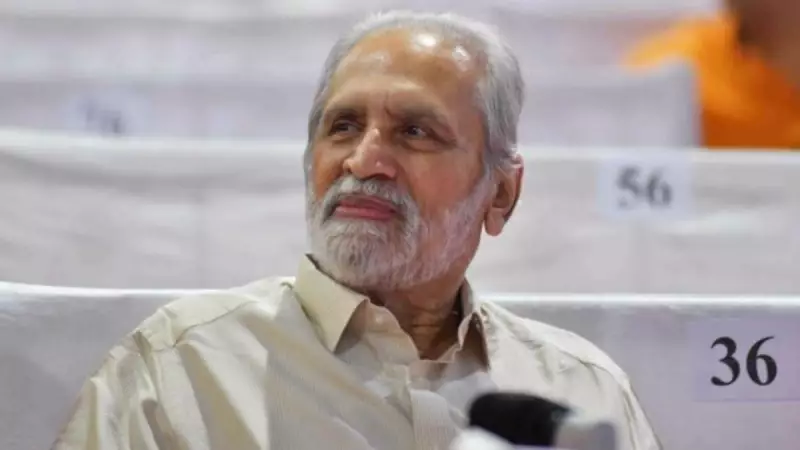
The Indian political and sports fraternity is in mourning following the demise of senior Congress leader and former Member of Parliament, Suresh Kalmadi. The veteran politician breathed his last in Pune on Monday, January 6, 2026, after battling a brief illness. He was 79 years old.
A Political and Sporting Career Remembered
Suresh Kalmadi was a prominent figure in Indian politics for several decades, representing the Pune constituency in the Lok Sabha multiple times. His political journey was deeply intertwined with his extensive involvement in sports administration, a dual role that defined his public life.
He served as the President of the Indian Olympic Association (IOA) for a significant period and was also the Chairman of the organizing committee for the 2010 Commonwealth Games held in Delhi. This role, while a pinnacle, also cast a long shadow over his later career due to the controversies surrounding the financial management of the event.

Kalmadi's association with the Congress party was long-standing. He held the position of Secretary in the All India Congress Committee (AICC) and was a familiar face in Maharashtra's political landscape. His passing marks the end of an era for the Congress party in the state.
The Circumstances of His Demise
The former parliamentarian passed away at a private hospital in Pune where he was undergoing treatment. Reports indicate he was suffering from a brief illness, the specific details of which have not been publicly disclosed. The news was confirmed by close associates and family members, sending waves of condolence across political lines.
Leaders from various parties have begun expressing their grief and sharing memories of their interactions with Kalmadi. His contributions to developing sports infrastructure in Pune and his advocacy for athletes are being recalled alongside his political work.
Legacy and Reactions to His Passing
Suresh Kalmadi's legacy is complex, marked by both significant achievements and major controversies. His tenure as the head of Indian sports administration saw the country host one of its biggest international sporting events. However, the subsequent allegations of corruption related to the Commonwealth Games led to his arrest and a prolonged legal battle. He was eventually released on bail.
In his later years, he maintained a relatively low profile from active politics but remained a respected figure within certain circles. The news of his death has prompted reflections on his multifaceted career.
Prominent reactions have poured in from national and state leaders. Colleagues remember him as a passionate individual dedicated to his causes, while critics acknowledge his role in shaping modern Indian sports politics. The focus for now, however, remains on mourning his loss and offering support to his bereaved family.
His passing leaves a void in the political scene of Pune and raises questions about the future of his political legacy in the region. As arrangements are made for his last rites, the city prepares to bid farewell to one of its most well-known, albeit controversial, figures.