

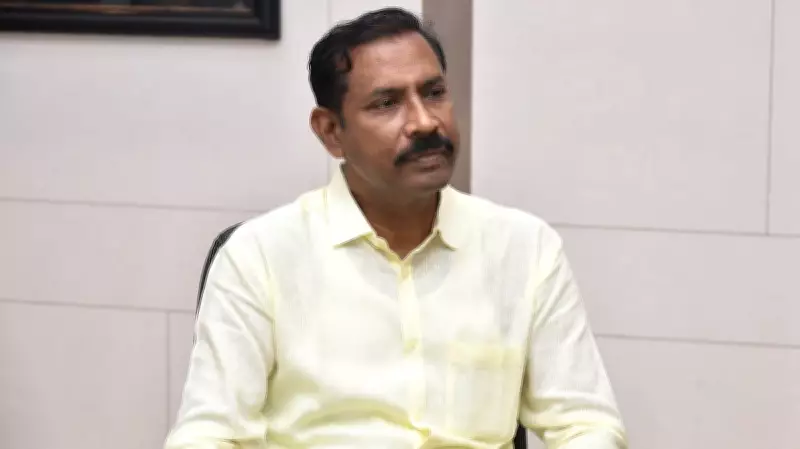
Days after the government banned the social media handles of the Cockroach Janata Party (CJP), Telugu Desam Party (TDP) state president Palla Srinivas Rao emphasized that the issue should not be viewed through a political lens. He described the CJP as an outcome of the frustration among the youth, urging all stakeholders to address the underlying concerns rather than politicizing the matter.
Background of the Ban
The government recently took action against the CJP's social media accounts, citing violations of platform guidelines and concerns over public order. The ban has sparked debate across political circles, with some parties criticizing the move as an attack on free speech.
TDP's Stance
Speaking to reporters, Rao clarified that the TDP does not see the CJP as a political rival but as a manifestation of the disillusionment felt by young people. He called for constructive dialogue to resolve the issues driving youth unrest, rather than punitive measures.

Rao further stated that the TDP respects the legal process but urged the government to consider the root causes of such movements. He added that labeling the CJP as a political entity could undermine efforts to address genuine grievances.
Reactions from Other Parties
While the TDP has adopted a conciliatory tone, other opposition parties have condemned the ban, accusing the government of suppressing dissent. The ruling party, however, maintains that the action was necessary to prevent the spread of harmful content.
Political analysts suggest that the CJP's rise reflects a broader trend of youth disenchantment with traditional politics. They note that both the government and opposition parties must engage with young people to restore trust in democratic institutions.
As the debate continues, all eyes are on how the government and political parties will navigate this sensitive issue. The TDP's call for depoliticization may offer a path forward, but it remains to be seen whether other actors will follow suit.






