Victims Demand Full Truth of Punjab's Militancy Era
The All India Terrorist Victims' Association has called for the formation of a Truth, Accountability and Reconciliation Commission to uncover what it terms the "complete truth" of Punjab's militancy period. The demand comes amid controversy over the film "Satluj", which is based on human rights activist Jaswant Singh Khalra and focuses on alleged extrajudicial killings during that time.
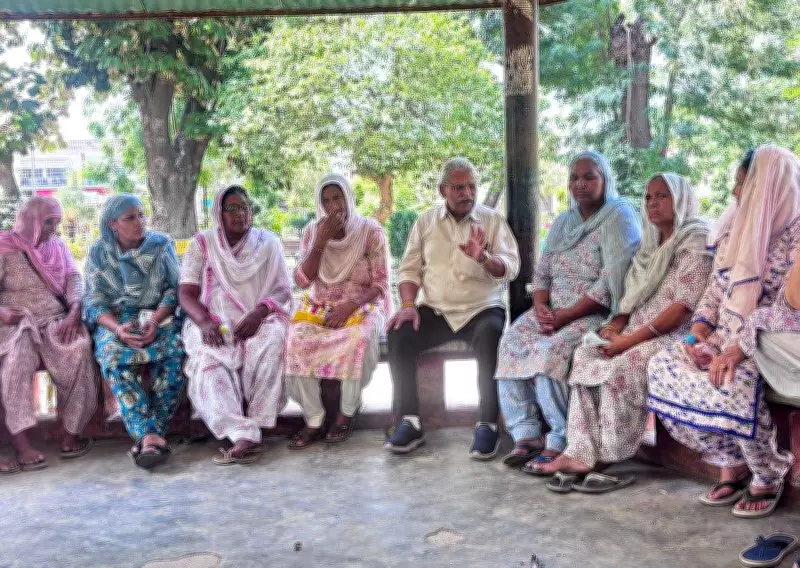
Dr BR Hastir, chairman of the association formed in 1998 to advocate for terrorism victims, stated that while Khalra's efforts in exposing unidentified and unclaimed bodies deserve recognition, the experiences of families who lost loved ones to terrorism have largely been overlooked. He noted that many families are still awaiting relief and rehabilitation benefits promised decades ago by the Punjab and central governments.
Proposed Commission to Be Headed by Senior Judge
Dr Hastir proposed that the commission should be chaired by a sitting or retired judge of the Supreme Court or a high court. "It is appropriate to make a film on Jaswant Singh Khalra and his struggle to expose alleged police excesses. However, that is only one side of Punjab's tragic past. The suffering of hundreds of families who lost their loved ones to terrorism must also be acknowledged," he said, adding that banning the movie is not a solution.

More than three decades after the peak of militancy, hundreds of affected families continue to await justice and adequate rehabilitation, Hastir emphasised. "The central government should constitute a Truth, Accountability and Reconciliation Commission to comprehensively examine the events of the militancy period and ensure that all victims receive justice," he added.
Victims Share Their Ordeals
Pawna Devi recalled losing her husband, Pritam Chand, in the twin bomb blasts in Amritsar in June 1988. He worked at the Gurdas Ram Jalebi Wala shop in Katra Ahluwalia. "The truth has never fully come out. Many families are still living with the trauma of those years and continue to struggle to rebuild their lives," she said. Pawna Devi was later appointed as a sewadar in PUDA on compassionate grounds.
Another victim, Varsha Sharma of Ghanupur Kale village, said terrorists entered her house and shot dead her husband, Sugriv Raj Sharma, in June 1990. "Successive governments have done little for the welfare of militancy victims. Many affected families continue to live in distress," she said.
Decades-Old Promises Unfulfilled
The association alleges that many victims' families have not received the relief and rehabilitation benefits announced by the Punjab and central governments decades ago. This ongoing neglect adds to the trauma of those who lost loved ones to terrorism. The demand for a commission aims to address these grievances and ensure accountability for all sides of the conflict.