TMC and BJP Engage in Verbal Warfare Amid Massive Health Workers' Protest in Kolkata
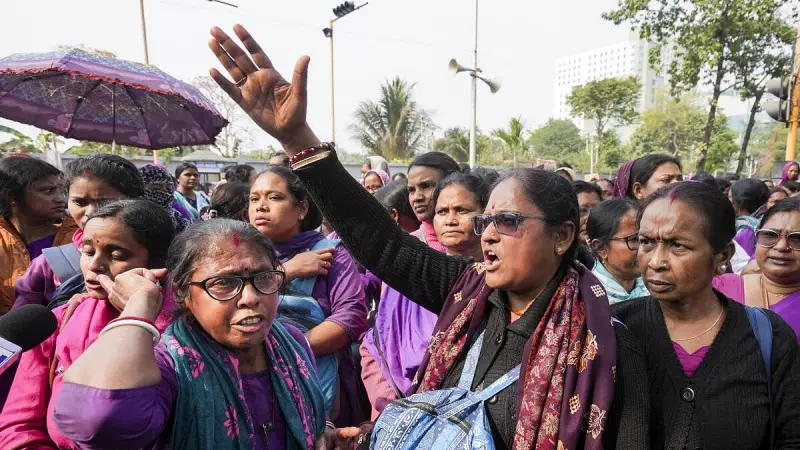
With the West Bengal assembly elections scheduled for just a few months away in 2026, a significant protest by thousands of community health workers in Kolkata has ignited a fierce political confrontation between the ruling Trinamool Congress (TMC) and the opposition Bharatiya Janata Party (BJP). The agitation, centered on demands and grievances against the TMC government, has become a focal point for political maneuvering as both parties vie for electoral advantage.
Escalating Tensions in the Run-Up to Elections
The protest, which saw a large gathering of health workers in Kolkata, has quickly escalated into a war of words between TMC and BJP leaders. The BJP, aiming to capitalize on the discontent among the health workers, has seized the opportunity to criticize the TMC administration, portraying it as insensitive to the needs of essential healthcare providers. In response, TMC officials have accused the BJP of politicizing the issue and undermining the state's efforts to support health workers.
This clash comes at a critical juncture, with the assembly elections in West Bengal looming large. Political analysts suggest that such incidents could significantly influence voter sentiment, especially in a state known for its intense political rivalries. The health workers' agitation highlights broader issues of healthcare infrastructure and worker welfare, which are likely to be key topics in the upcoming electoral campaign.

BJP's Strategic Move to Gain Political Ground
The BJP has been actively seeking to reap political dividends from the protest, leveraging the health workers' anger to challenge the TMC's governance record. By aligning with the protesters' demands, the BJP aims to position itself as a champion of public health and worker rights, potentially swaying undecided voters and consolidating its support base in West Bengal.
This strategy is part of a larger effort by the BJP to make inroads into TMC's stronghold, following previous electoral battles in the state. The party's leaders have been vocal in their support for the health workers, organizing rallies and issuing statements to amplify the protest's impact on the political landscape.
TMC's Defense and Counter-Attack
On the other hand, the TMC government has defended its policies, citing various initiatives aimed at improving healthcare services and supporting health workers. TMC spokespersons have dismissed the BJP's actions as opportunistic, arguing that the opposition is exploiting the situation for electoral gains rather than addressing genuine concerns.
The ruling party has also launched a counter-narrative, highlighting its achievements in the health sector and accusing the BJP of neglecting similar issues in other states where it is in power. This back-and-forth has intensified the political rhetoric, with both sides trading barbs in public forums and media interactions.
Implications for West Bengal's Political Future
As the protest continues to unfold, its repercussions are expected to resonate throughout the election season. Key points to consider include:
- The potential impact on voter turnout and preferences in urban and rural areas of West Bengal.
- How the health workers' demands might shape policy discussions and manifestos of both parties.
- The role of media and public perception in framing the narrative around the protest and political responses.
With tensions running high, the situation in Kolkata serves as a microcosm of the broader political dynamics in West Bengal. As the election date approaches, both TMC and BJP are likely to intensify their campaigns, using incidents like this to mobilize supporters and critique opponents.
In summary, the health workers' protest in Kolkata has not only highlighted issues within the healthcare sector but also set the stage for a heated political battle between TMC and BJP. With the assembly elections on the horizon, this conflict underscores the high stakes involved in West Bengal's political arena, where every development is scrutinized for its electoral implications.