

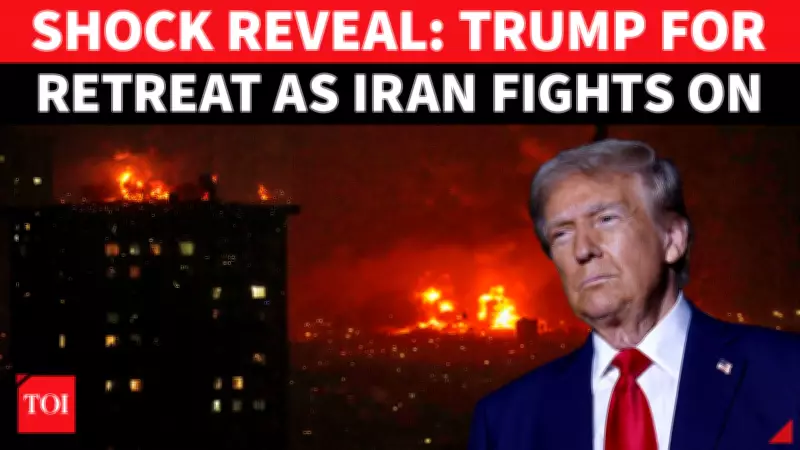
Trump's Advisors Push for Iran War Exit Amid Surging Oil Prices
Is President Donald Trump considering a strategic withdrawal from the ongoing military conflict with Iran as global oil prices continue to climb? According to a recent U.S. media report, the President's own advisors have privately urged him to devise an exit plan, expressing concerns that a prolonged war could trigger significant political backlash and erode his support among conservative voters.
Conflicting Statements from the Administration
During a public appearance in Florida, President Trump asserted that the U.S. military has "mostly achieved its goals" in the conflict, highlighting Iran's persistent threat to regional stability in the Middle East and to Israel. He emphasized a readiness to maintain military operations if deemed necessary. However, this stance appears to be at odds with the reported internal pressure for de-escalation.
In response to the media claims, White House Press Secretary Karoline Leavitt vehemently dismissed the story as "full of crap from anonymous sources." She reaffirmed that Operation Epic Fury, the U.S. military campaign against Iran, will proceed under the President's direct command, signaling no immediate change in strategy.

Broader Implications of the Conflict
The internal discord within the Trump administration comes at a critical juncture, with the war contributing to volatility in oil markets. Analysts suggest that continued hostilities could further disrupt global energy supplies, exacerbating economic pressures. The political ramifications are also significant, as advisors reportedly worry that sustained military engagement might alienate key voter bases ahead of upcoming elections.
This development underscores the complex balancing act facing U.S. leadership: addressing security threats from Iran while managing domestic and international economic consequences. As tensions persist, the debate over war strategy highlights deeper divisions within the administration over foreign policy priorities and their impact on both national security and political fortunes.






