

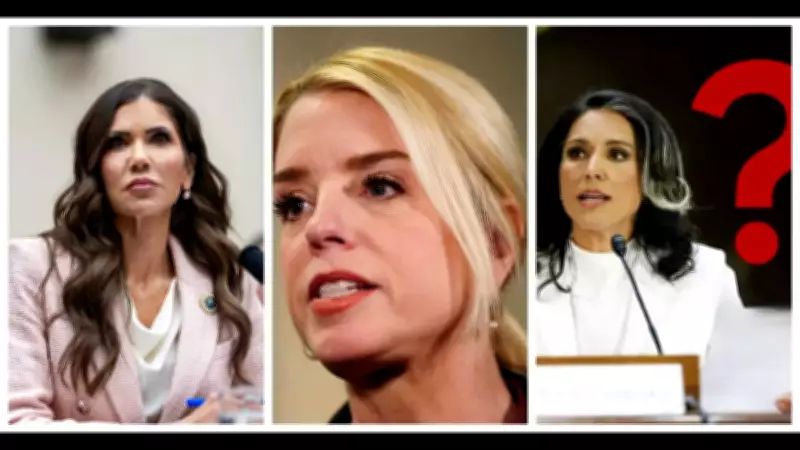
Trump's Dismissal of Women Officials Triggers Widespread Outrage
The recent firing of Attorney General Pam Bondi by President Donald Trump has ignited a firestorm of controversy, not necessarily due to her perceived efficiency, but because it highlights a concerning pattern. The decision to show another woman the door has sounded alarm bells among women GOP supporters, who are questioning the administration's priorities.
Pattern of Targeting Women Officials Emerges
According to insiders, the next official potentially on the chopping block is Director of National Intelligence Tulsi Gabbard, another prominent woman in the administration. This follows Trump's recent joke about firing White House spokesperson Karoline Leavitt, which, despite being in jest, did not sit well with many observers. Social media users have been vocal, asking why Trump is not targeting male officials like Defense Secretary Pete Hegseth, Health Secretary RFK Jr., or FBI Director Kash Patel instead.
Congresswoman Jasmine Crockett has been particularly outspoken, stating that the pattern is clear: "Trump will throw incompetent women under the bus a lot faster than incompetent men." She called for a 'do over' in American governance, criticizing the nomination and confirmation processes. Crockett wrote, "First it was Kristi Noem, now it's Pam Bondi... it would be too much like right that Pete be next. I see a theme." Echoing this sentiment, one social media user noted, "They were both bad at their jobs, but it is telling that women are being fired first when RFK Jr. and Pete Hegseth are right there."

Reasons Behind the Firings
Pam Bondi was dismissed primarily because Trump was dissatisfied with her department's handling of the Epstein case. She allegedly did not pursue Trump's rivals as aggressively as he desired. Additionally, Trump believed Bondi tipped off Representative Eric Swalwell about the FBI's plans to release documents related to Swalwell's alleged past ties to a Chinese spy.
Kristi Noem was fired just a month ago following a series of controversies. Her Department of Homeland Security became synonymous with the harsh crackdown on immigrants, which tragically led to the deaths of two U.S. citizens in January. The breaking point, however, was a $220 million border security ad campaign featuring Noem on horseback. She claimed Trump approved the campaign, but Trump denied any knowledge of it, leading to her dismissal.
Speculation Surrounding Tulsi Gabbard and Karoline Leavitt
While DNI Tulsi Gabbard has not been fired yet, intense speculation suggests she might be replaced. This stems from her lack of full support for Donald Trump's stance on the Iran war. Her former deputy, Joe Kent, resigned last month after criticizing the administration's defense strategy. Gabbard, who is known for her anti-war position, issued a statement distancing her department from Kent's remarks and expressed confidence in the president's decisions. Trump aide Laure Loomer has claimed that Gabbard will soon exit the administration to launch a presidential bid for 2027.
During an Oval Office event, Trump complained about receiving 93–97% negative media coverage and jokingly turned to Karoline Leavitt, saying, "Maybe Karoline's doing a poor job... You're doing a terrible job. Should we keep her? I think we'll keep her." Although this was intended as a joke and Trump later praised Leavitt, it added fuel to the ongoing debate about the treatment of women in the administration.
Broader Implications and Public Reaction
The consecutive firings of women officials have raised serious questions about gender bias within the Trump administration. Critics argue that this trend could alienate women supporters and undermine diversity in leadership roles. The public and media continue to scrutinize each move, with many calling for greater accountability and transparency in personnel decisions.
As the situation unfolds, it remains to be seen whether more women will be targeted or if the administration will address these concerns. The outcry serves as a reminder of the delicate balance between performance and perception in political appointments.






