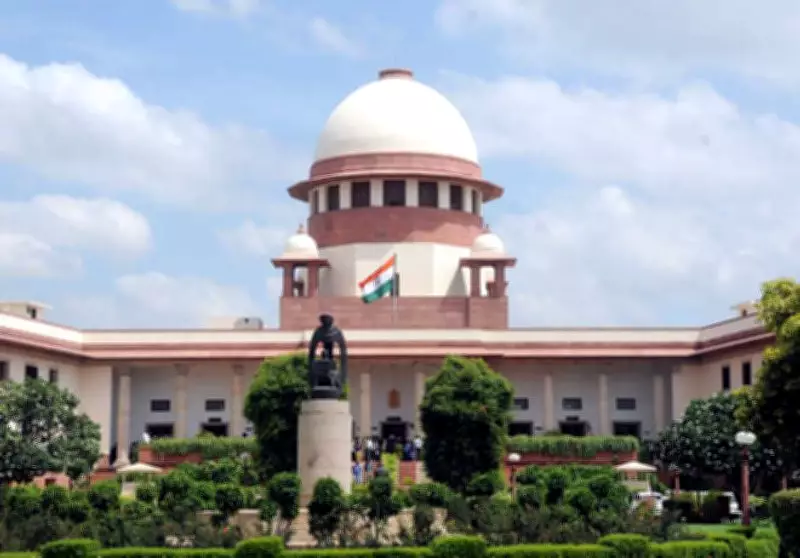
A member of the Tamilaga Vettri Kazhagam (TVK) has approached the Supreme Court seeking a direction to the Tamil Nadu Governor to invite the party to form the government in the state. The petition, filed under Article 32 of the Constitution, argues that the Governor's failure to act amounts to a violation of constitutional mandates and democratic principles.
Petition Details
The petitioner, identified as M. Senthil Kumar, a TVK functionary, has prayed for a writ of mandamus directing the Governor to invite the TVK to form the government, claiming that the party has the support of a majority of MLAs. The plea states that despite repeated representations, the Governor has not taken any decision, leading to a political impasse in the state.
Constitutional Provisions Cited
The petition relies on Article 163 of the Constitution, which states that the Governor shall act on the aid and advice of the Council of Ministers. It also invokes Article 174, which requires the Governor to summon the Legislative Assembly at least once every six months. The petitioner argues that the Governor's inaction is undermining the democratic process and the will of the people.

Background
The TVK, a relatively new political party, has been staking claim to form the government in Tamil Nadu, alleging that the incumbent government has lost majority support. The party claims to have the backing of 150 MLAs in the 234-member Assembly. However, the Governor has not yet called for a floor test or invited the TVK to prove its majority.
Legal Precedents
The Supreme Court has in the past intervened in similar matters, such as the 2016 Arunachal Pradesh crisis and the 2018 Karnataka government formation case. In those instances, the court emphasized the Governor's duty to act impartially and facilitate the formation of a stable government. The petitioner has cited these precedents to strengthen his case.
Governor's Stand
The Tamil Nadu Governor's office has maintained that it is studying the legal and constitutional aspects of the situation. The Governor has reportedly sought legal advice and is awaiting a report from the state's Chief Secretary on the political developments. The petitioner, however, contends that the Governor is deliberately delaying the process to favor the current government.
Political Reactions
The move has drawn mixed reactions from political parties in Tamil Nadu. The ruling party has dismissed the petition as a publicity stunt, while opposition parties have welcomed it, saying it will test the constitutional validity of the Governor's actions. The TVK has expressed confidence that the Supreme Court will deliver a verdict in favor of democratic norms.
Next Steps
The Supreme Court is likely to hear the petition in the coming weeks. Legal experts believe that the court may issue a notice to the Tamil Nadu government and the Governor's office, seeking their responses. If the court finds merit in the petition, it could direct the Governor to take a decision within a specified timeframe, potentially leading to a floor test in the Assembly.
This development comes at a time when Tamil Nadu politics is witnessing significant realignments, with several MLAs switching sides. The outcome of the Supreme Court case could have far-reaching implications for the stability of the state government and the interpretation of the Governor's powers under the Constitution.