West Bengal Electoral Roll Revision Sparks Intense Debate Among Activists
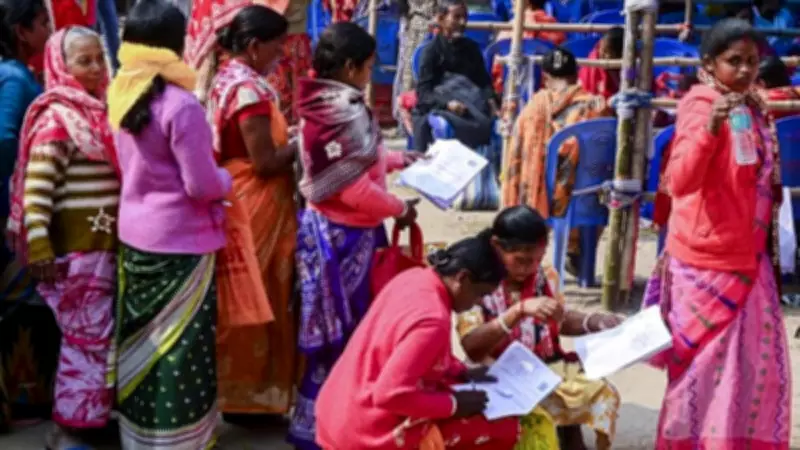
A special intensive revision of electoral rolls in West Bengal, initiated in preparation for the upcoming 2026 Assembly elections, has become a focal point of controversy. Activists and political observers are raising alarms, describing the process not as a genuine revision but as a targeted "impediment removal" exercise. This development comes amid heightened political tensions in the state, with stakeholders closely monitoring the electoral preparations.
Activists Voice Concerns Over Revision Process
According to reports, activists have criticized the revision, arguing that it is being conducted in a manner that could potentially manipulate voter lists. They claim that the process is not a standard intensive revision aimed at updating and correcting rolls but rather a strategic effort to remove obstacles or specific voter segments. This has led to accusations of bias and calls for greater transparency in the electoral roll management.
Shemin Joy, a noted commentator, highlighted these issues, pointing out that the revision is being perceived as an intensive targeted rewriting rather than a fair and comprehensive update. The concerns center on the possibility of disenfranchising certain groups or altering the demographic balance in key constituencies, which could impact the outcome of the 2026 elections.

Background and Implications for West Bengal Politics
West Bengal, known for its vibrant and often contentious political landscape, is gearing up for the Assembly elections in 2026. The state has a history of closely fought electoral battles, making the integrity of voter rolls a critical issue. The special intensive revision was announced as part of standard electoral preparations, but the timing and execution have sparked debate.
Political analysts suggest that such revisions are common before major elections to ensure accuracy, but the current situation in West Bengal is under scrutiny due to the activists' allegations. The term "impediment removal" implies a deliberate effort to clear hurdles that might favor certain political parties, raising questions about fairness and democratic principles.
Response from Authorities and Future Steps
As of now, official responses from electoral authorities in West Bengal have been limited, with no detailed statements addressing the activists' claims. However, it is expected that the Election Commission of India and state-level bodies will need to provide clarifications to maintain public trust. Ensuring free and fair elections is paramount, and any doubts about the revision process could lead to legal challenges or public protests.
The situation underscores the importance of robust electoral mechanisms in India's democracy. With the 2026 elections approaching, stakeholders are calling for:
- Increased transparency in the revision process to prevent manipulation.
- Independent audits of voter rolls to verify accuracy and inclusivity.
- Public awareness campaigns to educate voters about their rights and the revision procedures.
In conclusion, the special intensive revision of electoral rolls in West Bengal has ignited a significant debate, with activists labeling it as "impediment removal" rather than a genuine update. As the state moves closer to the 2026 Assembly elections, ensuring the integrity of voter lists will be crucial for upholding democratic values and preventing electoral malpractices. The coming months are likely to see increased scrutiny and potential reforms to address these concerns.