Women's Rights Organizations Present Demands for Safer, More Informed Society Ahead of Tamil Nadu Elections
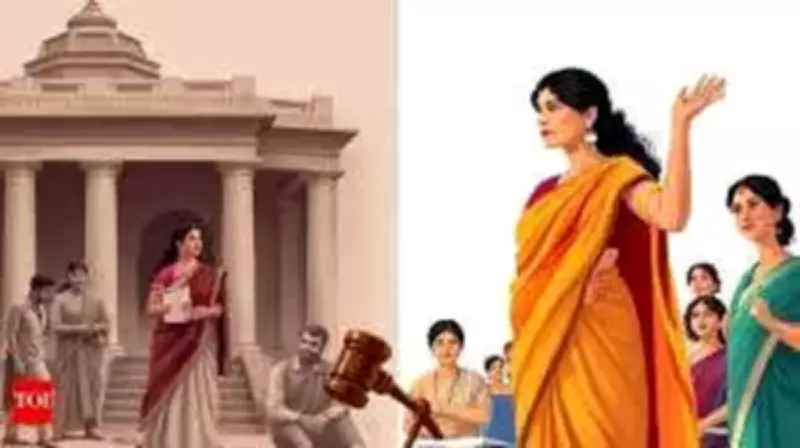
In a significant pre-election push, women's rights organizations and NGOs in Chennai have outlined a comprehensive charter of demands aimed at creating a safer and more informed society for women and girls. The demands, which focus on adolescent health, education, and protection from violence, are being presented to political parties for inclusion in their election manifestos ahead of the upcoming state polls.
Key Demands for Adolescent Health and Education
The Centre for Women's Development and Research (CWDR) has released a detailed charter calling for immediate action on several fronts. A primary demand is the provision of free or affordable menstrual products for adolescent girls, addressing a critical barrier to education and dignity. Additionally, the organizations are pushing for the introduction of age-appropriate lessons on sexual and reproductive health and rights into the school curriculum.
Renuka, director of CWDR, emphasized the urgent need for change at the school level. "Stigma starts with the teachers themselves," she stated. "In several schools, students are taught plant and animal reproduction, but not human reproduction. This attitude must change to ensure young people receive accurate and essential information."

Strengthening Health Services and Safety Measures
The charter also calls for the establishment of Adolescent-Friendly Health Clinics (AFHCs) that provide privacy, confidentiality, and accessible mental health counseling for girls and young women. These clinics should offer clear referral systems for cases of violence, abuse, and psychosocial support, ensuring a holistic approach to adolescent well-being.
Furthermore, the organizations demand a strong and effective response to sexual harassment and violence. Thozhamai, an NGO dedicated to women's and child welfare, highlighted the need for increased budgetary allocations. A. Devaneyan, director of Thozhamai, noted, "At least 9% of GDP must be spent on women-centric schemes and 6% on children. The government must take concrete steps to protect adolescent girls from sexual abuse, especially as conviction rates in Protection of Children from Sexual Offences (POCSO) cases in Tamil Nadu remain disappointingly low."
Political Implications and Broader Context
These demands come at a crucial time as political parties prepare their platforms for the state elections. The organizations argue that incorporating these measures into poll manifestos is essential for building a society that prioritizes gender equality and safety. The focus on menstrual equity, comprehensive sex education, and enhanced legal protections reflects a growing recognition of the systemic challenges faced by women and girls in the region.
By advocating for these changes, the women's rights groups aim to shift political discourse towards more inclusive and proactive policies. The call for increased spending on women and children underscores the need for sustained financial commitment to address these issues effectively. As the election season approaches, the response from political parties to these demands will be closely watched by advocates and voters alike.