Women's Leadership in Mumbai: How Reservation Transformed the Mayoral Post
As Mumbai prepares to welcome its 78th Mayor, the seat has once again been reserved for a woman candidate, continuing a trend that has significantly reshaped the city's civic leadership over the past three decades. This development underscores the profound impact of reservation policies introduced in the Brihanmumbai Municipal Corporation (BMC) in 1994, which have led to a notable increase in female representation in one of India's most prominent urban administrative roles.
Historical Context and the Introduction of Reservation
Prior to 1994, Mumbai had seen only one female Mayor since the official designation was introduced in 1931. Sulochana Modi, a social worker turned politician from the Congress party, served as Mayor in 1956. During her tenure, she played a pivotal role in expanding the BMC's jurisdiction to include suburban areas like Bandra to Dahisar in the west and Kurla to Mulund in the east. Additionally, she was instrumental in initiating the Vaitarna Scheme, a major hydropower and potable water supply project that remains crucial for Mumbai's water security today. After her term ended in 1957, the city did not elect another female Mayor for 37 years.
The turning point came in 1994 when Nirmala Prabhavalkar of the Congress party became the second female Mayor. This shift was part of a broader national movement towards gender equality in politics, influenced by events such as the United Nations declaring 1975 as International Women's Year and the leadership of Prime Minister Indira Gandhi. Political analysts note that the patriarchal nature of party structures in the early to mid-20th century limited women's entry into urban politics, but reservation policies helped create a more stable platform for female leaders.

The Rise of Female Mayors Post-Reservation
Since the implementation of reservation, Mumbai has elected seven female mayors, with the upcoming election marking the eighth. This represents a dramatic increase from the pre-1994 era. The list of notable female mayors includes:
- Sulochana Modi (1956, Congress) – Pioneered suburban expansion and water projects.
- Nirmala Prabhavalkar (1994, Congress) – Later served in the National Commission for Women.
- Vishakha Raut (1997, undivided Shiv Sena) – Became Mayor during her first term as corporator and later served as an MLA.
- Shubha Raul (2007, undivided Shiv Sena) – Contributed to civic governance during her tenure.
- Shraddha Jadhav (2009, undivided Shiv Sena) – Played a key role in municipal affairs.
- Snehal Ambekar (2014, undivided Shiv Sena) – Exposed a Rs 352 crore road scam, highlighting corruption in the BMC.
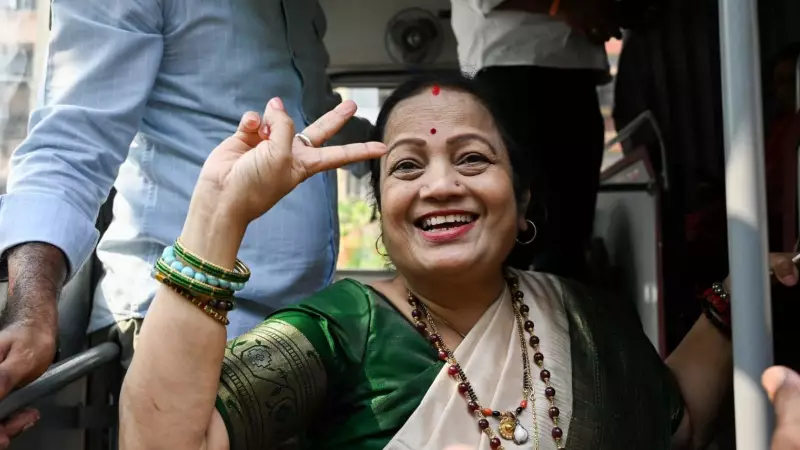
- Kishori Pednekar (2020-2022, undivided Shiv Sena) – Led from the front during the Covid-19 pandemic, using her nursing background to support healthcare efforts.
Notable Contributions and Challenges
Female mayors in Mumbai have made significant contributions across various domains. For instance, Snehal Ambekar's exposure of the road scam in 2014 revealed extensive malpractices and corruption involving corporators and private contractors, leading to investigations and calls for transparency. In her own words, Ambekar emphasized that the Mayor's seat should not be viewed through a gender lens, but rather as a position of responsibility to safeguard public funds.
Kishori Pednekar, the most recent female Mayor, gained recognition for her hands-on approach during the Covid-19 pandemic. As a former nurse, she actively visited treatment facilities and jumbo centres, demonstrating leadership in a time of crisis. She highlighted the importance of setting an example by working directly with the community, rather than retreating to safety.

Current Developments and Future Outlook
In the recent civic elections, Kishori Pednekar was re-elected from her constituency in Worli and has been appointed as the group leader of the Shiv Sena (UBT) corporators in the BMC. This move reflects the ongoing influence of female leaders in Mumbai's political landscape. The reservation policy continues to play a crucial role in ensuring gender diversity in civic leadership, with women now holding key positions and driving change in urban governance.
The journey from having only one female Mayor before 1994 to seven since then illustrates how reservation has reshaped Mumbai's civic leadership. As the city gears up for another female Mayor, it is clear that these policies have not only increased representation but also brought diverse perspectives and strengths to the forefront of urban administration. The legacy of these leaders serves as a testament to the transformative power of inclusive policies in fostering equitable and effective governance.