Women's Reservation Bill Explained: How 850-Seat Lok Sabha Plan Promises To Change Indian Politics
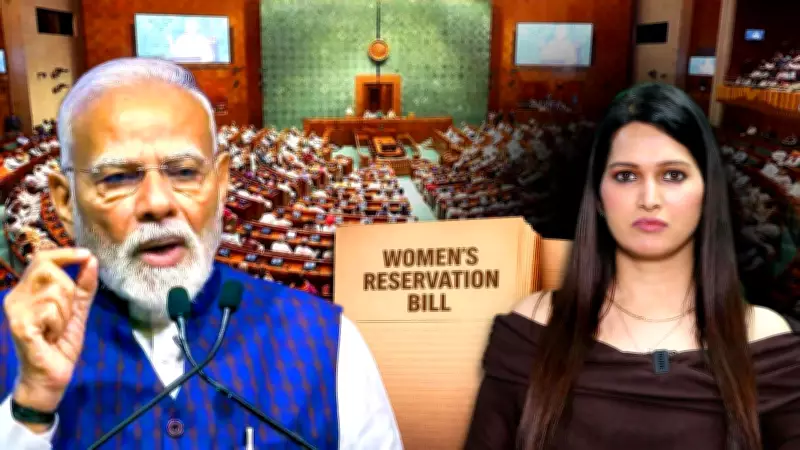
India stands on the brink of a monumental political transformation. The government has proposed a sweeping reform that would expand the Lok Sabha to 850 seats and reserve 273 of those seats for women. This ambitious plan represents one of the most significant structural changes to Indian democracy in decades, aiming to fundamentally alter the landscape of political representation.
The Core Proposal: Expanding Parliament for Women's Representation
The central element of this proposal involves increasing the total number of Lok Sabha seats from the current 543 to 850. Within this expanded framework, 273 seats would be constitutionally reserved for women candidates. This represents approximately 32% of the total seats, a substantial leap toward gender parity in India's highest legislative body.
The government's approach seeks to bypass traditional implementation delays by utilizing existing demographic data rather than waiting for the completion of the next Census. This strategic move is designed to accelerate the process and bring women into the center of political decision-making more rapidly than previously envisioned.

The Delimitation Process: Rebalancing Without Reduction
A crucial component of this proposal involves a fresh delimitation exercise to redraw parliamentary constituencies. This process will rebalance representation across states based on current population data, ensuring that each state's share of Lok Sabha seats reflects its demographic weight in contemporary India.
Importantly, the government has emphasized that no state will see a reduction in its current number of parliamentary seats. This assurance addresses historical concerns about southern states potentially losing representation to more populous northern states during delimitation exercises.
Political Implications and Opposition Concerns
The proposal has generated significant political debate. Proponents argue that reserving 273 seats for women will dramatically increase female participation in governance, bringing diverse perspectives to policy-making and addressing gender-specific issues that have long been neglected.
However, the Opposition has raised several concerns:
- Timing questions regarding why this initiative is being pursued now
- Transparency issues about the delimitation methodology
- Implementation challenges in ensuring genuine representation rather than tokenism
- Political balance considerations across regions and communities
What Changes If This Becomes Law?
If enacted, this legislation would create several immediate and long-term effects:
- Structural transformation of Parliament with nearly 60% more seats
- Guaranteed representation for women across all states and union territories
- Redrawn political maps affecting every parliamentary constituency in India
- New electoral dynamics as parties adapt to mandatory women's reservations
- Policy focus shift toward issues affecting women and families
The proposal represents a bold attempt to address India's gender representation gap in politics, where women currently hold only about 14% of Lok Sabha seats despite comprising nearly half the population. By creating dedicated spaces for women in Parliament, the government aims to accelerate social change through legislative means.
Why This Matters for Indian Voters
For ordinary citizens, this proposed reform could mean more responsive governance that better reflects the composition of Indian society. Women voters in particular might see their concerns addressed more directly in Parliament, potentially leading to legislation on issues ranging from healthcare and education to workplace equality and safety.
The expanded Lok Sabha would also mean more representatives per capita, theoretically allowing for closer connections between MPs and their constituents. However, critics question whether sheer numerical increase translates to better governance or merely creates a larger political bureaucracy.

As one of India's most ambitious political reforms in recent memory, the 850-seat Lok Sabha plan with women's reservation promises to reshape the nation's democratic institutions for generations to come. The coming parliamentary debates will determine whether this vision becomes reality and how fundamentally it transforms Indian politics.