Gujarat to Implement Women's Reservation Bill from 2029 General Elections
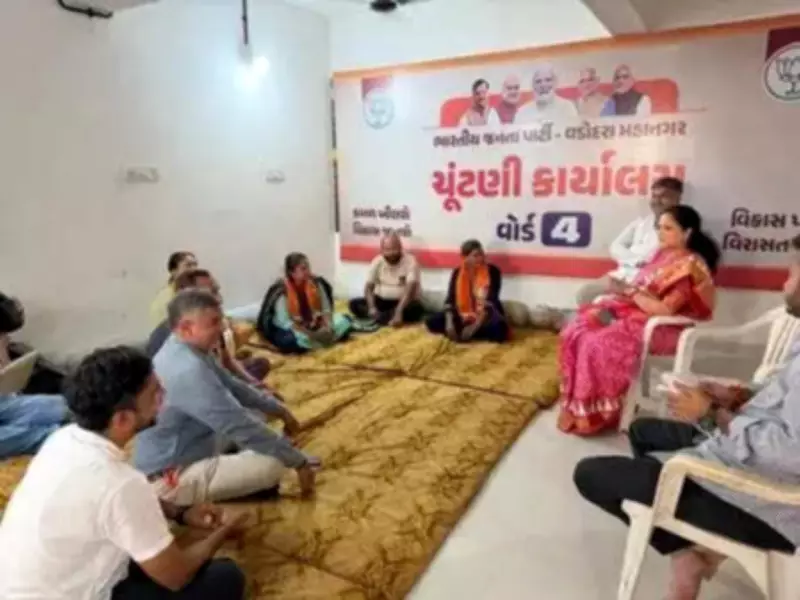
Gandhinagar: The landmark Women's Reservation Bill, which mandates a 33% quota for women in both Parliament and state legislative assemblies, will be implemented in Gujarat starting from the 2029 general elections. This significant announcement was made by Manisha Vakil, the Minister of State for Women and Child Welfare, during a press conference held in Gandhinagar on Tuesday.
Implementation Timeline and Process
Minister Vakil clarified that the implementation of the bill, officially known as the Narishakti Vandan Abhiniyam, will follow a structured constitutional process. "The women's reservation bill will be implemented in Gujarat from the 2029 general elections. It will come into force after the delimitation exercise and the census work," she stated emphatically. This indicates that the reservation will only become operational once these critical procedural steps are completed.
The Constitution (One Hundred and Sixth Amendment) Act, 2023, provides for reserving one-third of seats for women in the Lok Sabha and state legislative assemblies. Additionally, it includes horizontal reservation for women belonging to the Scheduled Castes and Scheduled Tribes within their respective categories, ensuring inclusive representation.

Upcoming Parliamentary Session Focus
Vakil highlighted that the central government is gearing up for crucial discussions on the implementation framework of the women's reservation legislation during the upcoming special parliamentary session scheduled from April 16 to 18. "The special session of Parliament is expected to focus on enabling provisions and procedural steps for implementation, alongside wider deliberations on representation and electoral reforms linked to the legislation," she remarked.
She emphasized that the proposed Women's Reservation Bill marks a substantial step towards strengthening women's participation in governance and should now progress towards effective implementation. The minister further explained that the implementation of the law would adhere to a defined constitutional process and timeline, which is intrinsically linked to future electoral exercises.
Constitutional and Procedural Requirements
The operational rollout of the law is contingent upon a delimitation exercise to be undertaken after the first census conducted following its commencement. This means that the reservation will come into effect in a later phase, specifically after constituency redrawing and subsequent elections. Vakil's remarks underscore that the reservation's activation is not immediate but will follow the necessary procedural milestones.
Addressing the press, Vakil expressed optimism about the bill's potential to enhance women's representation in political spheres. She noted that the implementation framework is being carefully crafted to ensure a smooth transition and alignment with constitutional mandates, paving the way for a more equitable political landscape in Gujarat and across India.