

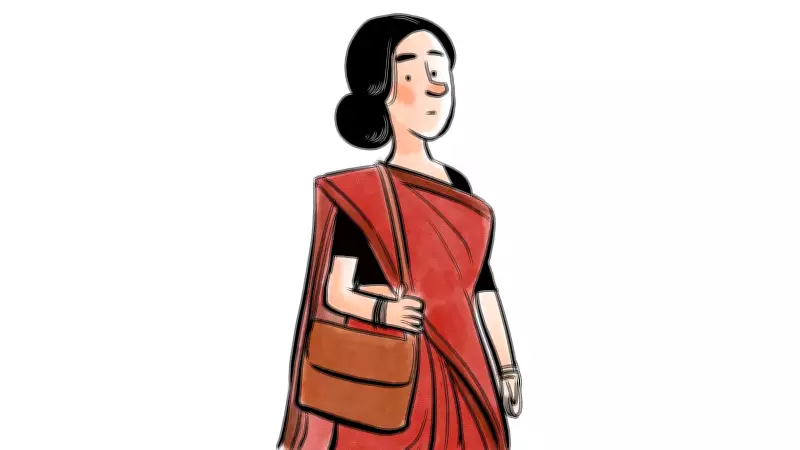
The Rising Influence of Young Women Voters in India
In recent years, a significant demographic shift has been reshaping India's political arena: the emergence of young women voters as a powerful and decisive force. This trend, marked by increasing voter turnout and distinct policy preferences, is compelling political parties to recalibrate their strategies and agendas to address the aspirations of this growing segment of the electorate.
Increasing Electoral Participation and Turnout
Data from recent elections across various states and national polls reveal a notable surge in voter participation among young women, particularly those aged 18 to 30. This rise is not merely incremental but represents a substantial leap, with many regions reporting higher turnout rates for young women compared to their male counterparts. Factors driving this increase include enhanced access to education, greater awareness of political issues through digital media, and targeted voter registration campaigns by electoral bodies and civil society organizations.
Key drivers behind this trend include:

- Improved literacy rates and educational opportunities enabling informed decision-making.
- Widespread use of smartphones and social media platforms for political engagement.
- Grassroots initiatives promoting women's participation in democratic processes.
Distinct Priorities and Policy Demands
Young women voters are not just turning out in larger numbers; they are also bringing a unique set of priorities to the ballot box. Surveys and electoral analyses indicate that issues such as women's safety, employment opportunities, healthcare access, and educational reforms rank high on their agenda. Unlike previous generations, many young women are prioritizing economic independence and social justice, pushing political parties to move beyond traditional rhetoric and deliver concrete policy solutions.
For instance, in urban and rural areas alike, campaigns focusing on skill development programs, stricter laws against gender-based violence, and affordable childcare have resonated strongly with this demographic. This shift is forcing politicians to adopt more nuanced and responsive platforms, as young women voters demonstrate a willingness to cross party lines based on performance and promises rather than loyalty or identity politics.
Impact on Political Strategies and Campaigns
The growing clout of young women voters is fundamentally altering how political campaigns are conducted in India. Parties are increasingly tailoring their outreach efforts to engage this segment, using digital tools, women-centric rallies, and targeted messaging. Candidates are being urged to address women-specific issues in their manifestos, and there is a noticeable rise in the number of women leaders being fielded in elections to appeal to this voter base.
Notable changes in campaign tactics include:
- Increased use of social media influencers and women-led discussion forums to connect with young voters.
- Development of policy proposals focused on gender equality, such as equal pay and maternity benefits.
- Greater emphasis on local issues affecting women, from sanitation to public transportation safety.
Challenges and Future Outlook
Despite the progress, challenges remain in fully harnessing the potential of young women voters. Barriers such as societal norms, limited access to resources in remote areas, and occasional voter suppression tactics can hinder participation. However, the overall trajectory points toward a more inclusive and dynamic political landscape, where young women are not just voters but active shapers of India's democratic future.
Looking ahead, experts predict that this trend will only intensify, with young women likely to become an even more pivotal bloc in upcoming elections. As their voices grow louder, political parties will need to evolve continuously, ensuring that governance reflects the diverse and evolving aspirations of all citizens, particularly this empowered and engaged generation of women.






