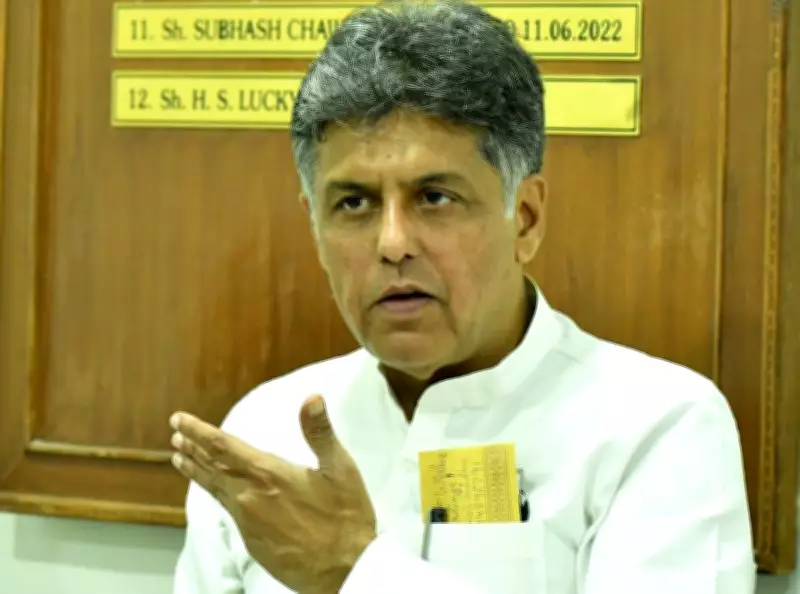
Congress MP Manickam Tagore Among 15 Nominated to Lok Sabha Privileges Committee
In a significant parliamentary development, Congress MP Manickam Tagore has been appointed as one of fifteen members to the Lok Sabha Committee of Privileges. This committee plays a crucial role in overseeing and addressing matters related to breaches of parliamentary privileges by members of the lower house.
Composition and Role of the Committee
The Lok Sabha Committee of Privileges is a key parliamentary body tasked with examining cases where the privileges of the House or its members are alleged to have been violated. These privileges include immunity from legal proceedings for speeches made in Parliament and protection from obstruction while performing parliamentary duties. The committee investigates such incidents and recommends appropriate actions, which can range from apologies to more severe disciplinary measures.
The nomination of fifteen MPs, including Manickam Tagore, underscores the committee's importance in maintaining decorum and accountability within the legislative process. The selection reflects a cross-section of political representation, aimed at ensuring impartiality in handling privilege-related issues.

Manickam Tagore's Political Background
Manickam Tagore, a prominent Congress leader, represents the Virudhunagar constituency in Tamil Nadu. Known for his active participation in parliamentary debates and advocacy on various national issues, his appointment to this committee is seen as a recognition of his experience and commitment to parliamentary norms. Tagore has previously served on other parliamentary committees, bringing valuable insights to this new role.
His inclusion is part of a broader effort to balance the committee with members from different political parties, ensuring diverse perspectives in its deliberations. This move is expected to enhance the committee's effectiveness in addressing privilege breaches impartially.
Implications for Parliamentary Functioning
The nomination of these fifteen MPs comes at a time when parliamentary proceedings have often been marked by disruptions and controversies. The Committee of Privileges is instrumental in upholding the dignity of the House by enforcing rules that protect members from undue interference and ensure smooth legislative work.
By appointing experienced lawmakers like Manickam Tagore, the Lok Sabha aims to strengthen this committee's capacity to handle complex cases. This could lead to more rigorous scrutiny of privilege violations, potentially reducing incidents that hinder parliamentary productivity.
Moreover, the committee's work is vital for maintaining public trust in democratic institutions, as it addresses grievances related to parliamentary conduct. The diverse membership, including Tagore, is likely to foster collaborative decision-making, contributing to a more robust parliamentary system.
Future Outlook and Responsibilities
As the newly nominated members assume their roles, they will be responsible for reviewing pending and new cases of privilege breaches. This involves gathering evidence, hearing testimonies, and making recommendations to the Lok Sabha. The committee's findings can influence parliamentary discipline and set precedents for future conduct.
Manickam Tagore's appointment is particularly noteworthy given his track record in advocating for transparency and accountability. His involvement may bring renewed focus on addressing issues that affect the functioning of Parliament, such as disruptions by members or external interference.
In summary, the nomination of fifteen MPs, including Congress's Manickam Tagore, to the Lok Sabha Committee of Privileges marks a step toward reinforcing parliamentary integrity. This committee's enhanced composition is poised to play a pivotal role in safeguarding the privileges that underpin India's democratic framework, ensuring that legislative processes remain orderly and respected.