

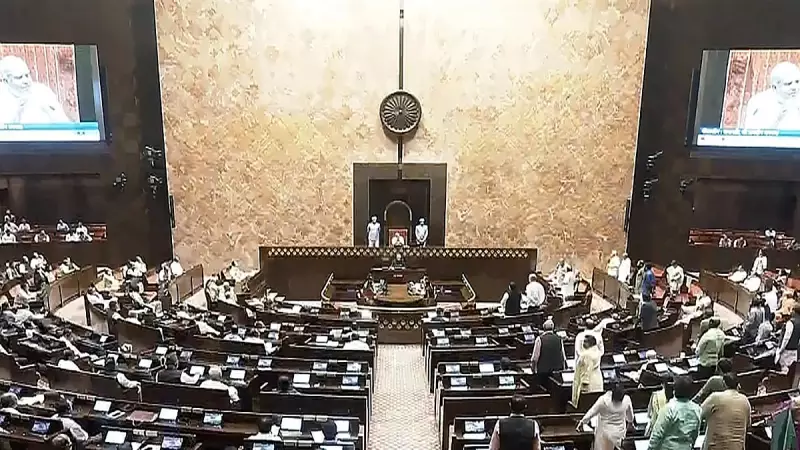
Nineteen bills are currently awaiting approval in the Rajya Sabha, India's upper house of Parliament. This backlog includes legislation that has been stuck for decades, with the oldest bill dating all the way back to 1992.
Long-Standing Legislative Delays
The pending bills cover a range of important issues. They span various sectors and policy areas, reflecting the diverse legislative agenda that has accumulated over the years. Some of these bills have been introduced and discussed but never passed, creating a significant pile-up in the parliamentary process.
Oldest Bill Traces Back to 1992
The most delayed bill among them was first introduced in 1992. That means it has been pending for over three decades. This highlights how certain legislative proposals can get caught in prolonged procedural delays, sometimes spanning multiple governments and political cycles.

Experts point out that such backlogs can slow down governance and policy implementation. When bills remain stuck, the intended reforms or legal changes they propose cannot take effect. This affects everything from economic policies to social welfare measures.
Impact on Parliamentary Functioning
The accumulation of pending bills raises questions about the efficiency of parliamentary proceedings. It shows how legislative business can get delayed due to various factors. These might include political disagreements, lack of consensus, or procedural hurdles.
Observers note that the Rajya Sabha, as a revising chamber, plays a crucial role in scrutinizing legislation. However, when bills remain pending for long periods, it can undermine this role. It may also affect the balance of legislative power between the two houses of Parliament.
Recent Trends and Challenges
In recent years, there have been efforts to clear pending legislation. Yet, the list of 19 bills indicates that challenges persist. Some bills might be contentious, leading to prolonged debates and stalemates. Others could be less prioritized amid a busy parliamentary calendar.
The situation calls for a closer look at parliamentary procedures and time management. It also underscores the need for bipartisan cooperation to move important legislation forward. Without such efforts, critical bills may continue to languish, affecting national development and governance.
As Parliament continues its sessions, the fate of these pending bills remains a key point of discussion. Stakeholders are watching to see if any progress will be made in clearing this backlog soon.






