

Parliament Budget Session 2026 Commences with Presidential Address
The Budget Session of Parliament officially began today, on 28 January 2026, marking the start of a crucial legislative period. The session opened with a significant address by President Droupadi Murmu to the joint sitting of both Houses of Parliament – the Lok Sabha and the Rajya Sabha. This traditional speech sets the tone for the parliamentary proceedings and outlines the government's vision and priorities for the upcoming fiscal year.
Economic Survey and Union Budget 2026: Key Announcements Ahead
The Economic Survey of India is scheduled to be presented on 29 January by Finance Minister Nirmala Sitharaman. This comprehensive document provides an in-depth analysis of the country's economic performance over the past year and offers projections for the future. Following this, the much-anticipated Union Budget 2026 will be presented by Finance Minister Nirmala Sitharaman on 1 February – which falls on a Sunday this year.
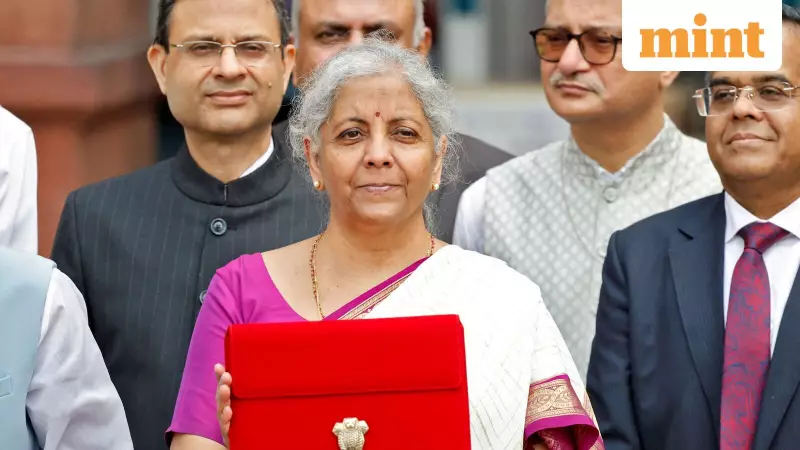
This budget presentation will mark a historic milestone as it represents Nirmala Sitharaman's record ninth consecutive Budget. The financial blueprint is expected to include significant reform measures aimed at bolstering economic growth during a period of volatile geopolitical situations affecting global markets.

Session Structure and Duration
The Budget Session will be conducted in two distinct parts with a scheduled recess in between. The first phase will adjourn for recess on 13 February, with Parliament reassembling for the second part on 9 March. Overall, the session will comprise 30 sittings spread over 65 days, concluding on 2 April 2026. This extended duration allows for thorough discussion and deliberation on important financial matters and legislative business.
Opposition Plans and Government Stance
The session is anticipated to witness considerable political drama as the Congress-led Opposition has announced plans to corner the government on several contentious issues. Key areas of protest include:
- The VB-G RAM G Act
- The Special Intensive Revision (SIR)
- Foreign policy matters
- Various environmental concerns
The government has already formally rejected the Opposition's demands for discussions on these specific topics, setting the stage for potential confrontations during parliamentary proceedings.
Legislative Agenda and Pending Bills
Interestingly, the government has not listed any new Bills for introduction during this session thus far. However, the Lok Sabha secretariat has identified nine pending Bills that require attention, including:
- The Insolvency and Bankruptcy Code (Amendment) Bill
- The Securities Markets Code, which is currently under scrutiny by the parliamentary panel on finance
Budget 2026: Complete Timeline of Key Events
28 January: Budget Session commences with President Droupadi Murmu's joint address to Parliament.
29 January: Finance Minister Nirmala Sitharaman presents the Economic Survey at 11 AM.
1 February: Union Budget 2026 presentation by Nirmala Sitharaman at 11 AM in the Lok Sabha.
13 February: Conclusion of the first half of the Budget Session.
9 March: Resumption of Parliament for the second half of the Budget Session.
2 April: Final day of the Budget Session, after which both Houses will be adjourned sine die.
Sectoral Focus Areas for Budget 2026
The India Budget 2026 is expected to prioritize economic growth amidst ongoing geopolitical tensions through strategic allocations to key sectors. Primary focus areas likely include:

- Defense and national security
- Railways modernization
- Infrastructure development
- MSME support and promotion
- Renewable energy initiatives
- Artificial Intelligence and technology advancement
Additional important sectors that may receive attention in the budget allocations encompass agriculture, direct and indirect taxation reforms, healthcare infrastructure, tourism promotion, and logistics improvement. The budget is anticipated to balance fiscal prudence with growth-oriented spending to navigate current economic challenges effectively.





