Formula 1 Bahrain Tyre Test Cancelled Over Security Concerns Amid Regional Tensions
In a significant disruption to pre-season preparations, a crucial two-day Formula 1 tyre test scheduled at the Bahrain International Circuit has been officially cancelled. The decision comes as escalating military tensions across the Middle East region have raised substantial security concerns for participants and organizers alike.
Pirelli Confirms Cancellation Citing Safety Priorities
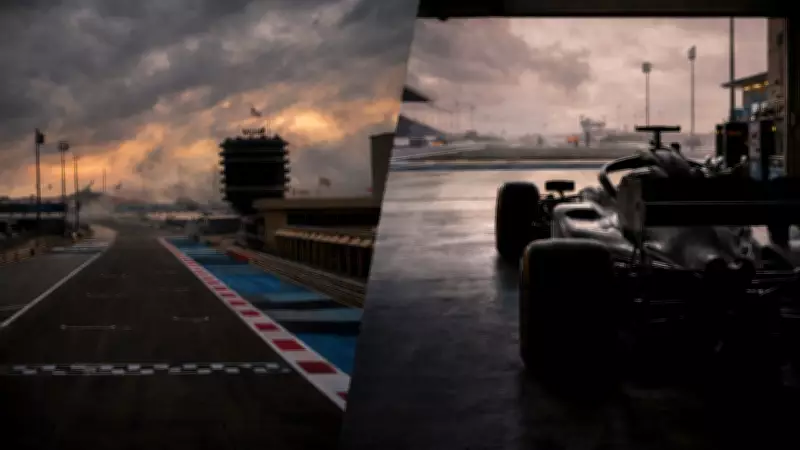
Pirelli, the exclusive tyre supplier to Formula 1 since 2011, confirmed the cancellation in an official statement. The company emphasized that all personnel currently in Bahrain remain safe and secure. The planned test session was scheduled to run from February 28 to March 1, specifically designed to evaluate advanced wet-weather tyre compounds for the upcoming 2026 season.
The specialized test was intended to utilize sophisticated sprinkler systems to artificially simulate rainy track conditions, allowing engineers to assess performance characteristics under controlled wet-weather scenarios. This cancellation represents a notable setback in the development timeline for next-generation tyre technology.

Regional Conflict Forces Operational Changes
The decision follows increased military activity across the Middle East, including reported missile strikes in proximity to Manama, Bahrain's capital city. Heightened conflict involving multiple nations, including the United States and Iran, has created an unstable security environment that Formula 1 organizers deemed unsuitable for conducting testing operations.
Several top Formula 1 teams, including Mercedes and McLaren, had planned to participate in the Bahrain test session. The cancellation has resulted in the loss of valuable on-track development time just ahead of the season-opening Australian Grand Prix in Melbourne next week.
Travel Disruptions Complicate Logistics
The security situation has created substantial logistical challenges for Formula 1 teams that typically utilize Middle Eastern transportation hubs. Many teams rely on transit points in Dubai and Qatar when moving personnel and equipment between European bases and Australian race locations.
Airspace restrictions and enhanced security measures have necessitated significant flight adjustments and caused delays in critical cargo movement. With personnel and equipment operating on extremely tight timelines before the season opener, teams have been forced to completely revise travel arrangements to ensure staff and essential components reach Melbourne in time for the first race of the 2026 championship.
Future Race Schedule Under Review
Formula 1 and the Fédération Internationale de l'Automobile (FIA) are actively monitoring regional developments. While the upcoming Australian, Chinese, and Japanese Grands Prix currently remain on schedule, races scheduled in Bahrain on April 12 and Saudi Arabia on April 19 are now under formal review pending security assessments.
For Pirelli, the cancellation significantly reduces preparation time under updated technical regulations. Teams are now expected to depend more heavily on advanced simulation tools and existing historical data for their early-season planning and strategy development.
Pirelli's Ongoing Role in Formula 1
Pirelli has served as Formula 1's exclusive tyre supplier since 2011 and remains contracted in this critical role until at least 2027. The company designs, manufactures, and supplies all race compounds while assigning dedicated engineers to work alongside teams during events to monitor performance and collect essential data.
The Bahrain test was an integral component of Pirelli's scheduled development program, specifically aimed at refining wet-weather tyres ahead of the 2026 regulation changes. Using artificial watering systems to simulate rain conditions, the session was intended to assess durability, grip characteristics, and operating ranges before finalizing specifications for upcoming championship seasons.
The cancellation underscores how geopolitical tensions can directly impact international sporting events, forcing organizers to prioritize safety over competitive preparation even when substantial resources have been allocated to testing programs.