Iran's 2026 FIFA World Cup Participation Hangs in Balance Amid Escalating Geopolitical Tensions
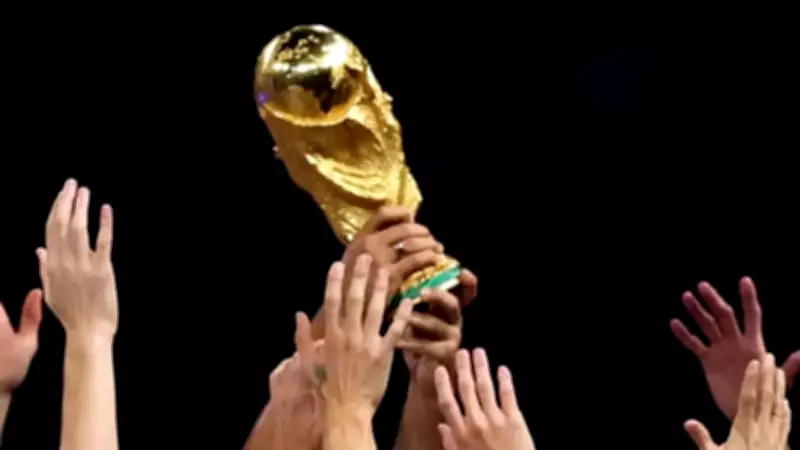
Rising military tensions between Iran, the United States, and Israel have created significant uncertainty over Iran's scheduled participation in the 2026 FIFA World Cup. The tournament, set to be hosted across the United States, Canada, and Mexico in an expanded 48-team format, now faces potential disruption due to recent conflicts in the Middle East.
Recent Military Escalations Raise Serious Concerns
Iran recently qualified from the Asian Football Confederation after finishing at the top of their group with an impressive 26 points, ahead of the United Arab Emirates who finished third. However, the geopolitical landscape has dramatically shifted since qualification was secured.
Recent military actions have included:

- Iranian attacks on US targets across the Middle East
- Israeli strikes against Hezbollah positions in Beirut
- Explosions reported in strategic Gulf locations including Bahrain, Dubai, and Doha
- Iranian state media claiming a US F-15 fighter jet was downed in Kuwait, though this remains unverified
These developments have prompted Gulf nations to vow enhanced self-defense measures, creating an increasingly volatile regional environment that directly impacts international sporting participation.
Historical Precedents of World Cup Withdrawals
While FIFA World Cup withdrawals are rare, history provides several notable examples that demonstrate such scenarios can and have occurred under specific geopolitical circumstances.
The 1950 FIFA World Cup in Brazil stands as the most chaotic tournament in this regard. After qualification was completed, three nations—Turkey, Scotland, and India—withdrew before the tournament began. Primary reasons included prohibitive travel costs and player registration complications.
FIFA attempted to replace Turkey with Portugal, despite Portugal having lost to Spain during qualification. Portugal declined the invitation twice, citing excessive travel expenses. France also withdrew after qualifying due to scheduling and travel concerns. Ultimately, the tournament proceeded with only 13 teams instead of the planned 16.
Other significant historical withdrawals include:
- 1938 World Cup: Austria qualified but withdrew following the country's annexation by Nazi Germany. FIFA did not name a replacement, allowing Sweden to advance directly to the next round.
- 1934 World Cup: Defending champions Uruguay withdrew after multiple European teams refused to travel to South America for the previous tournament.
- 1966 Qualification: African teams boycotted the qualifying rounds after FIFA allocated only one combined spot for Africa, Oceania, and Asia.
Current Status and Official Uncertainty
As of now, Iran remains officially scheduled to compete in the 2026 FIFA World Cup. The team is placed in Group G alongside Belgium, New Zealand, and Egypt, with matches planned for Los Angeles and Seattle venues.
However, Mehdi Taj, head of Iran's football federation, has expressed significant uncertainty about participation. In comments reported by the Associated Press, Taj indicated that following recent military escalations, it has become difficult for the country to maintain optimism about traveling to North America for the tournament.
No official decision has been made regarding withdrawal, and the final determination would rest with FIFA should the geopolitical situation deteriorate further. The organization would need to consider both security concerns and tournament integrity in any such decision.
Looking Ahead: What Comes Next?
The situation remains fluid, with diplomatic and military developments continuing to unfold. While historical precedents show that World Cup withdrawals are exceptional events, they have occurred when geopolitical tensions reached critical levels.

The international football community now watches closely as events develop, recognizing that Iran's potential absence would represent a significant disruption to what promises to be the largest FIFA World Cup in history. The coming months will prove crucial in determining whether football diplomacy can overcome escalating geopolitical divisions.