Middle East Tensions Cast Shadow Over Formula One's Bahrain and Saudi Arabian Grands Prix
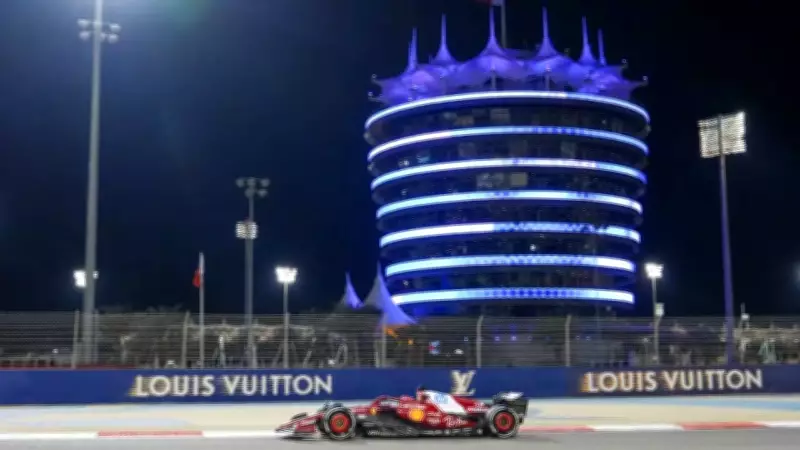
As geopolitical tensions escalate across the Middle East, the future of two prominent Formula One events—the Bahrain Grand Prix and the Saudi Arabian Grand Prix—hangs in the balance. The Bahrain Grand Prix is slated for April 10-12, with the Saudi Arabian Grand Prix following a week later from April 17-19. However, with regional instability increasing, the likelihood of these races proceeding as planned appears increasingly uncertain.
Critical Decision Timeline and Logistical Challenges
Despite the races being approximately five weeks away, Formula One experts emphasize that a definitive decision regarding their status must be reached within the next two weeks. This urgency stems from the complex logistics of transporting freight to the Middle East shortly after the conclusion of the Chinese Grand Prix, which is scheduled for March 13-15. The F1 season is set to commence on time with the Australian Grand Prix starting March 6, followed by the Chinese event. If the Bahrain race proceeds, freight movement will initiate immediately after the Shanghai International Circuit race.
With hopes for a rapid de-escalation of tensions fading, the probability of canceling both Grands Prix remains high. This situation poses significant challenges for the sport's calendar and operational planning.

Official Statements from F1 and FIA Leadership
Formula One management recently issued a statement addressing the situation: "Our next three races are in Australia, China, and Japan, not in the Middle East—those races are still several weeks away. As always, we closely monitor situations like this and work with the relevant authorities. We will always prioritize the safety and security of everyone involved in the sport."
FIA President Mohammed Ben Sulayem also released a detailed statement as doubts intensified regarding the Bahrain and Saudi Arabian events. He expressed, "As president of the FIA, my thoughts are with all those affected by the recent events in the Middle East. We are deeply saddened by the loss of life and stand with the families and communities impacted. At this moment of uncertainty, we hope for calm, safety, and a swift return to stability. Dialogue and the protection of civilians must remain priorities."
Ben Sulayem further added, "We are in close contact with our Member Clubs, championship promoters, teams, and colleagues on the ground as we monitor developments carefully and responsibly. Safety and well-being will guide our decisions as we assess the forthcoming events scheduled there for the FIA World Endurance Championship and the FIA Formula One World Championship. Our organization is built on unity and shared purpose. That unity matters now more than ever."
Potential Calendar Adjustments and Financial Implications
Should the Bahrain and Saudi Arabian Grands Prix be canceled, Formula One faces several contingency options. According to a BBC report, one possibility involves organizing a double-header in Japan, potentially with a second race at Fuji, which would simplify freight logistics by minimizing additional movement. Alternative circuits such as Imola, Portimao, or Istanbul could also fill the vacant slots on the calendar.
Even if these races are not replaced, reducing the calendar from 24 to 22 events is not expected to significantly impact Formula One's overall success. However, the financial repercussions would be substantial. Bahrain and Saudi Arabia collectively pay over £100 million in hosting fees for their Grands Prix. Cancellation would result in the loss of these fees, along with various commercial revenues associated with staging the races, including sponsorship, broadcasting, and hospitality.
Broader Context and Future Outlook
The uncertainty surrounding these events underscores the broader challenges of hosting international sports competitions in regions experiencing geopolitical volatility. Formula One's commitment to safety and security remains paramount, as reflected in the cautious statements from its leadership. As the situation evolves, continuous monitoring and collaboration with local authorities will be crucial in determining the fate of the Bahrain and Saudi Arabian Grands Prix.

This development highlights the intricate balance between sporting commitments and global political realities, with potential implications for future calendar planning and risk assessment in Formula One.