

Understanding the Parliamentary Journey of Union Budget 2026
The Union Budget 2026 is a critical financial document that outlines India's economic roadmap for the upcoming fiscal year. Its passage through Parliament involves a structured, multi-step process that ensures thorough scrutiny and democratic approval. This guide breaks down exactly how the Budget moves from proposal to law.
The Initial Presentation and Finance Minister's Speech
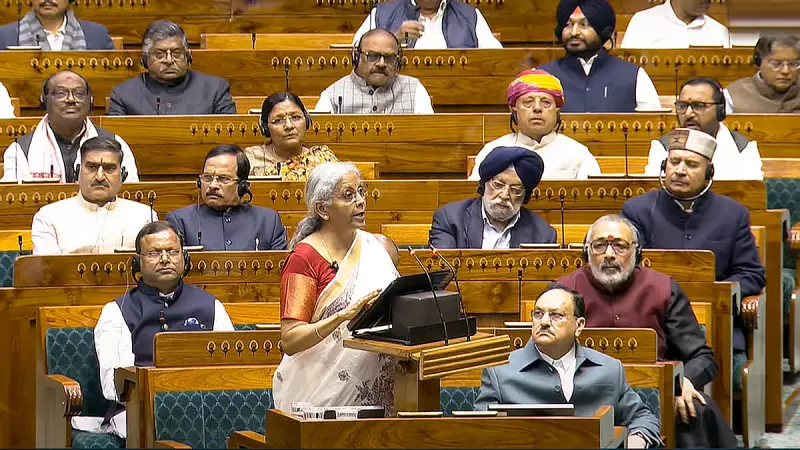
Finance Minister Nirmala Sitharaman presents the Union Budget 2026 in Parliament, typically in February. She delivers a speech that highlights key proposals, including tax changes, expenditure plans, and economic policies. This presentation marks the official start of the budgetary process, setting the stage for detailed discussions.
Following the speech, the Budget documents are laid before both Houses of Parliament: the Lok Sabha and the Rajya Sabha. These documents contain the Annual Financial Statement, which details estimated receipts and expenditures, along with other supporting materials like the Finance Bill.

Debate and Discussion in Parliament
After presentation, the Budget enters a phase of intense debate. Members of Parliament (MPs) from various parties discuss the proposals over several days. They focus on different aspects, such as:
- General Discussion: MPs give their overall views on the Budget without voting on specific items.
- Departmental Scrutiny: Parliamentary committees examine estimates for various ministries, suggesting modifications if needed.
- Cut Motions: MPs can propose reductions in specific demands for grants to express disapproval, though these are rarely passed.
This debate allows for public accountability and ensures that diverse perspectives are considered before finalizing the Budget.
Passage of the Finance Bill and Appropriation Bills
The core legislative component is the Finance Bill, which contains tax proposals. Parliament must pass this bill to enact new tax laws. The process includes:
- Introduction and Voting: The Finance Bill is introduced and voted on clause by clause, with amendments possible during discussions.
- Rajya Sabha Role: While the Rajya Sabha can suggest changes, the Lok Sabha has the final say on money bills like the Finance Bill, as per constitutional provisions.
- Appropriation Bills: These bills authorize the government to withdraw funds from the Consolidated Fund of India for expenditures. They are passed after the demands for grants are approved.
Once both Houses approve these bills, the Budget receives parliamentary assent, completing the process. This ensures that every rupee spent is legally sanctioned, reflecting a transparent and democratic approach to fiscal management.
The entire procedure underscores India's commitment to rigorous financial oversight, balancing executive proposals with legislative checks to benefit the nation's economy.






