The Indian National Congress has declared a major nationwide agitation to protect the Mahatma Gandhi National Rural Employment Guarantee Act (MGNREGA). The party announced the launch of a 45-day long protest movement named 'MGNREGA Bachao Sangram' (Save MGNREGA Struggle). This campaign is a direct response to what the party calls the systematic weakening and underfunding of the flagship rural job guarantee scheme by the central government.
The Core Demands of the Movement
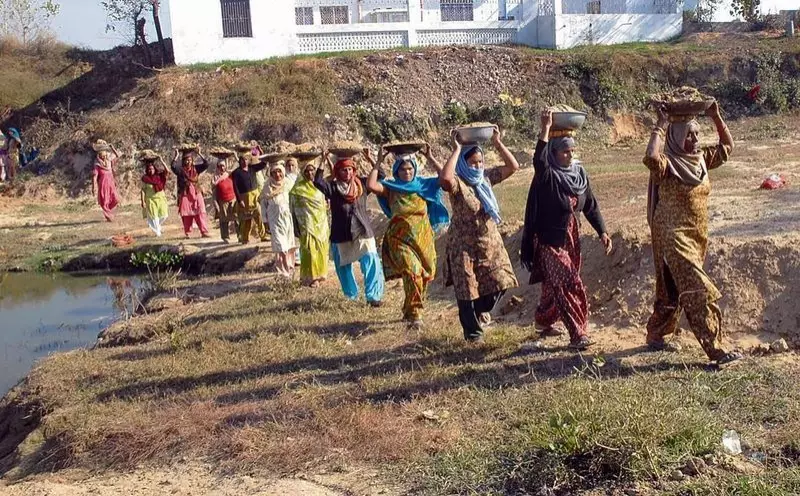
The Congress party has laid out several key demands that form the backbone of this 45-day agitation. A primary focus is on securing higher wage rates for MGNREGA workers. The party argues that the current wages are unjust and fail to meet the legal requirements set by the Act itself. They are demanding that the government revise the wage rates upwards to provide fair compensation for labor.
Another critical demand is the immediate release of pending funds for the scheme. The Congress alleges that the Modi government has deliberately starved MGNREGA of financial resources, leading to massive delays in wage payments to workers and creating a crisis in rural areas. The agitation seeks to force the government to allocate sufficient budgetary resources to ensure the scheme's smooth operation.

Furthermore, the party is pushing for the extension of the guaranteed 100 days of work per household to 150 days annually. This expansion, they argue, is essential to address the widespread rural distress and lack of employment opportunities.
Structure and Phases of the Agitation
The 'MGNREGA Bachao Sangram' is designed as a phased, grassroots-level campaign. The agitation will unfold across the length and breadth of the country, mobilizing party workers and beneficiaries of the scheme.
The first phase will involve protests at the block and district levels. Congress workers and leaders will hold demonstrations and public meetings to highlight the issues faced by MGNREGA workers and gather public support for their demands. This ground-level mobilization is intended to build pressure from the bottom up.
The campaign is scheduled to run for a total of 45 days, culminating in a larger, concentrated form of protest. The Congress has signaled that if the government does not heed their demands during this period, the agitation could intensify into a more confrontational phase.
Political Context and Accusations
The launch of this campaign is deeply rooted in the ongoing political rivalry between the Congress and the ruling Bharatiya Janata Party (BJP). The Congress has positioned itself as the defender of the rights of the poor and marginalized, contrasting its record with the current administration's policies.
Senior Congress leaders have accused the Narendra Modi-led government of attempting to dismantle MGNREGA by suffocating it financially and administratively. They claim that the scheme, which was pioneered by the Congress-led UPA government, has been a lifeline for millions of rural households, and its weakening is a deliberate attack on the rural economy and social safety net.
The party alleges that the government's actions are violating the legal guarantee of work that forms the bedrock of the Act. By not providing adequate funds, the government is effectively denying the right to work, leading to immense hardship for daily wage laborers in villages.
Potential Impact and the Road Ahead
The 45-day agitation has the potential to bring the issue of rural employment and MGNREGA's deficiencies back to the center of national political discourse. It aims to mobilize a large section of the electorate directly affected by the scheme's implementation issues.
The success of the 'MGNREGA Bachao Sangram' will depend on its ability to sustain momentum over the month-and-a-half period and effectively translate public grievance into political pressure. The campaign is seen as a significant effort by the Congress to reconnect with its traditional rural voter base and challenge the BJP on a key policy front related to welfare and development.

All eyes will now be on the government's response to these protests and whether the sustained pressure leads to any policy changes or increased allocations for the MGNREGA scheme in the future.