

The Punjab government's decision to grant 'holy city' status to the historic walled city of Amritsar is meeting with practical concerns from residents and civic reformers. While the move is aimed at elevating the spiritual and cultural stature of the area surrounding the Golden Temple, locals warn that significant civic and law-and-order issues must be resolved first to avoid creating difficulties for pilgrims, residents, and traders.
Major Civic Challenges in the Walled City
Residents point to a series of persistent problems that stand in stark contrast to the ideal of a holy city. One of the most pressing issues is the management of construction debris and general waste, which often litters the narrow lanes, obstructing movement. Compounding this is the serious menace of stray dogs, with animals freely roaming around religious sites and market areas, raising alarms about public safety and hygiene.
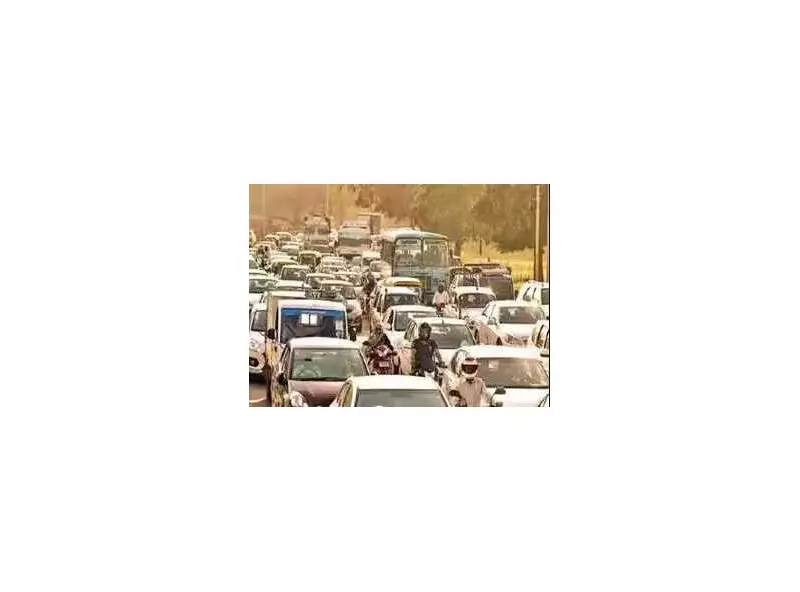
Traffic congestion remains a perennial headache, exacerbated by narrow roads, heavy vehicle flow, and unregulated e-rickshaws and delivery vans. Additional complications arise from encroachments on public spaces, noise pollution, unhygienic food handling practices, and a lack of adequate public sanitation facilities.

Defining a True Holy City: Cleanliness and Harmony
Dr. Manik Mahajan, a senior healthcare professional and civic reformer, outlined the essential qualities of a genuine holy city. He emphasized that it must reflect cleanliness, discipline, compassion, and respect for human dignity. "Its essential ingredients include hygiene, peaceful surroundings, ethical conduct, safety, orderly traffic, care for animals and heritage, and collective civic responsibility," Dr. Mahajan stated. He expressed hope that these elements would eventually define the environment of the walled city, nurturing both spiritual growth and social harmony.
Administration's Response and Future Vision
In response to these concerns, Deputy Commissioner Dalwinderjit Singh has announced that the administration will initiate detailed deliberations with all stakeholders, including the hotel industry. All relevant departments have been directed to review their areas, list specific issues, and propose concrete measures. The DC stressed that identifying precise steps for effective implementation and ensuring coordinated efforts among departments and stakeholders will be crucial. The goal is to transform the walled city into a holy city without imposing hardship on its people.
Mandeep Singh, a municipal councillor who has launched his own cleanliness drive, sees immense potential in this initiative. He believes that successfully turning Amritsar's walled city into a model holy city could set a powerful example for other historic cities across India. This transformation, he argues, would not only improve sanitation and restore the area's sacred essence but also likely boost tourism and pilgrimage footfall, benefiting the local economy and community alike.






