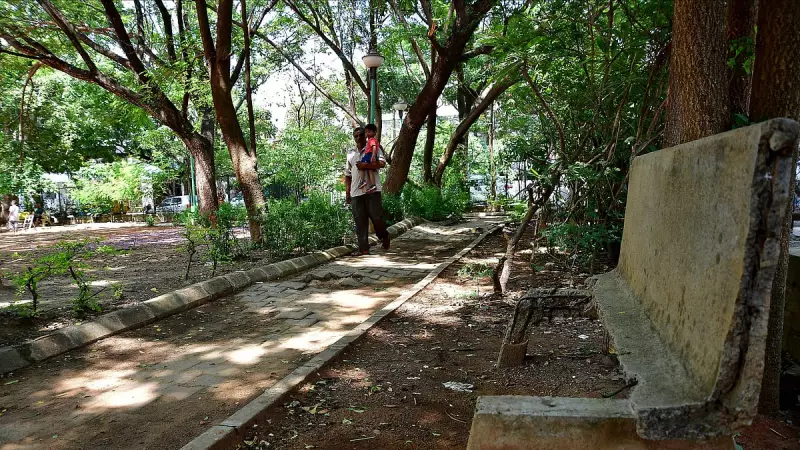
The Bruhat Bengaluru Mahanagara Palike's (BBMP) recent decision to restrict the operating hours of public parks across the city has ignited a significant wave of public dissent. The new directive, which mandates that all parks must remain open from 5 AM to 10 PM only, is being challenged by citizens who argue it disrupts their daily routines and unfairly penalizes the general public for the actions of a few.
BBMP's Rationale and the Immediate Public Reaction
The civic body defended its decision, stating that the uniform timing was implemented to curb illegal and anti-social activities that were reportedly taking place in parks during late-night and early-morning hours. Officials pointed to incidents of drinking and other unlawful behaviors as the primary motivation. The order, issued in late March, applies to all parks under BBMP's jurisdiction, including iconic green lungs like Cubbon Park and Lalbagh Botanical Garden, which previously had more flexible schedules.
However, the move was met with swift and organized opposition. A petition on the social media platform Change.org, demanding the withdrawal of the order, gathered substantial traction. Citizens, particularly morning walkers and fitness enthusiasts, expressed their frustration. Many argued that the 5 AM opening time is too late for those who start their walks as early as 4:30 AM to avoid the sun and traffic, and to accommodate work schedules.

Citizens Voice Their Concerns and Propose Alternatives
The backlash highlights the deep connection Bengaluru's residents have with their parks. "For many of us, the park is not just a place to walk; it's a community space essential for mental and physical well-being," shared one regular visitor. Protesters emphasized that the new rule inconveniences thousands of law-abiding citizens instead of targeting the specific miscreants through increased security patrols and better policing.
Critics of the BBMP order have proposed several alternative solutions, including:
- Enhanced security measures like more guards and CCTV surveillance instead of blanket time restrictions.
- Staggered timings based on the park's location and size.
- Issuing identity cards for regular, verified visitors to allow for earlier access.
- Strictly enforcing existing laws against anti-social behavior within the parks.
The public sentiment is clear: while safety and order are paramount, the solution should not come at the cost of restricting access to vital public infrastructure for responsible citizens.
Broader Implications and the Way Forward
This controversy touches on larger issues of urban governance and the right to public spaces in a rapidly growing city. Parks serve as crucial green lungs and social hubs in Bengaluru, mitigating pollution and providing a respite from congested urban life. Arbitrary restrictions, citizens argue, undermine the city's quality of life.
As the petition gains momentum and public discussions flare on social media, the ball is now in BBMP's court. The civic body faces the challenge of balancing administrative control with public welfare. A potential review of the decision or a more nuanced approach focusing on security infrastructure is being called for. The outcome of this conflict will set a precedent for how Bengaluru manages its cherished public spaces, weighing regulatory measures against the freedoms and needs of its citizens.
The standoff continues, with residents hoping for a rollback or modification of the order that respects the routines of early risers and fitness enthusiasts while effectively addressing genuine security concerns.