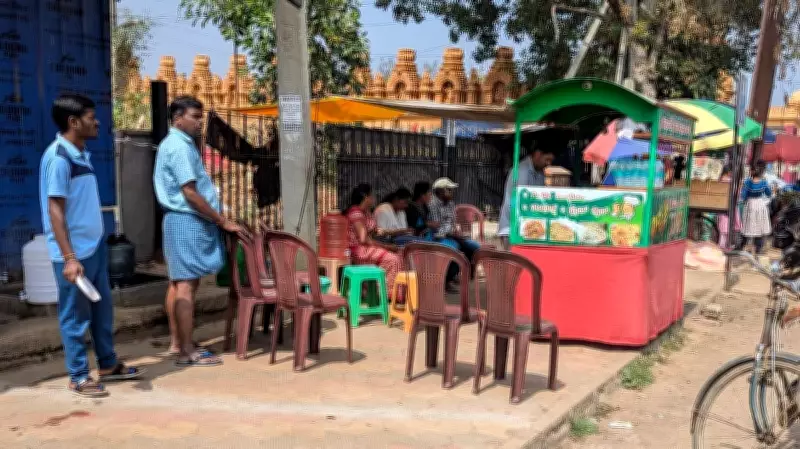
Bengaluru's Street Vendors Bear the Brunt of Administrative Incompetence
In the bustling streets of Bengaluru, a city renowned for its technological prowess and vibrant culture, a silent crisis is unfolding. Street vendors, the lifeblood of the local economy and community, are facing severe disruptions to their livelihoods as administrative failures mar the urban transition process. This situation underscores a pressing need for more competent and inclusive governance to protect these essential workers from bearing the cost of systemic inefficiencies.
The Plight of Vendors in a Changing Urban Landscape
As Bengaluru undergoes rapid urbanization and infrastructural upgrades, street vendors find themselves caught in the crossfire of poorly planned transitions. Many have been displaced without adequate notice or alternative arrangements, leading to significant financial losses and uncertainty. Reports indicate that vendors are struggling to sustain their businesses, with some forced to abandon their trades altogether due to the lack of support and clear policies from authorities.
The core issue lies in administrative incompetence, where decisions are made without considering the socio-economic impact on vulnerable groups. Instead of facilitating a smooth transition, the current approach has left vendors to fend for themselves, exacerbating their hardships. This not only threatens their livelihoods but also disrupts the local supply chains and cultural fabric that depend on street vending.

Call for Inclusive Governance and Support Mechanisms
To address this crisis, there is an urgent need for administrative bodies to adopt more transparent and participatory processes. This includes consulting with vendor associations, providing timely information about changes, and offering compensation or relocation assistance. By integrating street vendors into urban planning, Bengaluru can ensure that development benefits all residents, not just a select few.
Moreover, implementing robust support mechanisms, such as training programs for alternative livelihoods or designated vending zones, could help mitigate the negative impacts. Learning from successful models in other cities could provide valuable insights into creating a more equitable transition.In conclusion, the plight of Bengaluru's street vendors serves as a stark reminder of the human cost of administrative failures. As the city evolves, it must prioritize the well-being of all its citizens, especially those who contribute daily to its economy and culture. Only through competent and compassionate governance can Bengaluru truly thrive as an inclusive metropolis.