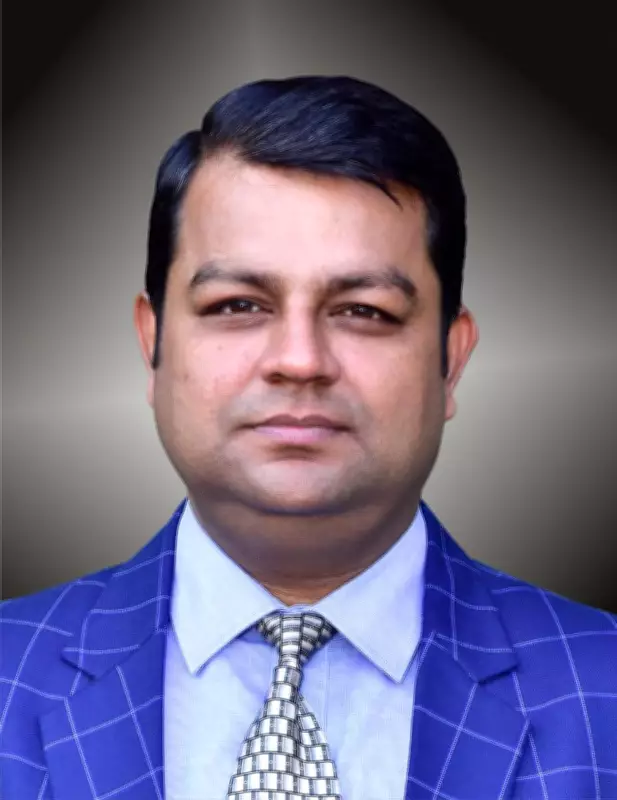
Dr Ajay Parashar, Principal of Trinity College, Jalandhar, has called for a fundamental shift in education from rote memorisation and exam-centric outcomes to holistic, skill-based learning. In a recent commentary, he emphasised that the National Education Policy (NEP) 2020 is a visionary reform that redefines the purpose of schooling for the 21st century.
From Rote Learning to Holistic Development
Parashar noted that for decades, Indian education has produced globally respected scholars and professionals but has been criticised for overemphasising rote learning and rigid academic structures. He said, 'The demands of the 21st century require creativity, critical thinking, communication, collaboration and adaptability — skills that cannot be measured solely through marks and grades.' NEP 2020, he argued, shifts the focus from 'learning what to think' to 'learning how to think.'
The policy integrates vocational education, internships, industry exposure, and practical learning into mainstream curricula. According to Parashar, this bridges the gap between classrooms and workplaces, preparing students not just for examinations but for life. 'Today's employers seek problem-solvers, innovators, and lifelong learners,' he added.

Multidisciplinary Education for a Connected World
Parashar highlighted NEP's encouragement of multidisciplinary education, stating that the future belongs to those who can connect knowledge across fields. 'A student of science should understand ethics and communication, while a student of humanities should be familiar with technology and innovation,' he explained. This integration, he believes, nurtures well-rounded individuals capable of addressing complex societal challenges.
Implementation Challenges and Collaborative Action
However, Parashar cautioned that the success of NEP 2020 depends on effective implementation. 'Educational institutions, teachers, policymakers, parents and students must work together to translate the vision of NEP into meaningful outcomes,' he said. He identified infrastructure, faculty development, digital accessibility, industry collaboration, and continuous innovation as critical factors for achieving transformative goals.
Education as Cultivation of Wisdom and Character
Parashar concluded that education is not merely the transfer of information but the cultivation of wisdom, character, and purpose. 'The true measure of an educational system lies not in the number of degrees it awards, but in the quality of citizens it creates,' he stated. He envisioned classrooms as 'laboratories of innovation, creativity and human values' as India strives to become a global knowledge leader. 'The future of education is not about filling minds; it is about igniting them,' he said.