

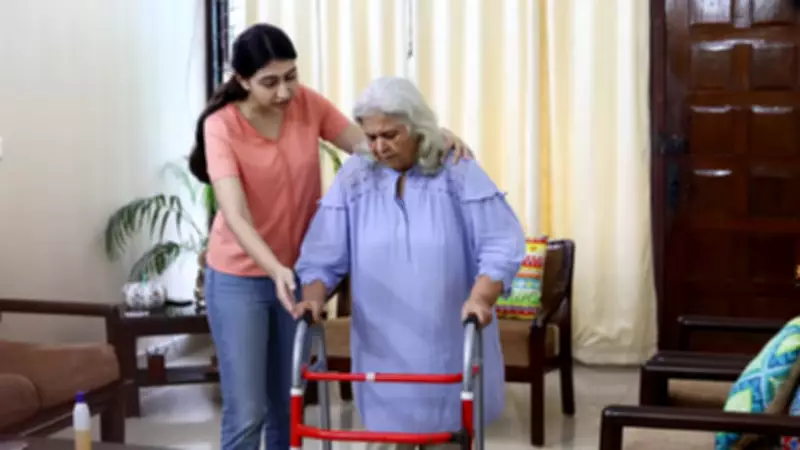
The Growing Crisis of Elder Care in India
India is witnessing a demographic shift with a rapidly aging population, yet the infrastructure and legal frameworks for elder care remain woefully inadequate. The Maintenance and Welfare of Parents and Senior Citizens Act, enacted in 2007, was a landmark step aimed at ensuring financial support and protection for the elderly. However, over a decade later, the implementation of this law has been patchy at best, raising critical questions about whether legislation alone can address the deep-rooted challenges in elder care.
The Legal Framework and Its Limitations
The 2007 Act mandates that children or relatives provide maintenance to senior citizens who are unable to sustain themselves. It also establishes mechanisms like tribunals for dispute resolution and provisions for old age homes. Despite these provisions, the law faces significant hurdles. Enforcement is often weak, with many elderly individuals unaware of their rights or hesitant to take legal action against family members. Cultural stigmas and social pressures further complicate matters, making it difficult for laws to penetrate the private sphere of family dynamics.
Moreover, the Act primarily focuses on financial maintenance, overlooking broader aspects of elder care such as healthcare, emotional support, and social inclusion. With India's elderly population projected to reach 194 million by 2031, according to government estimates, this narrow focus is increasingly insufficient. The lack of integrated policies that combine legal mandates with healthcare and social services has left many seniors vulnerable to neglect and isolation.

Systemic Challenges Beyond Legislation
Beyond legal shortcomings, India's elder care system is plagued by systemic issues. Healthcare infrastructure for the elderly is underdeveloped, with few specialized geriatric facilities. Public awareness about aging-related issues is low, and societal attitudes often marginalize older adults. The migration of younger generations to urban areas has also disrupted traditional family support systems, leaving many seniors without caregivers. These factors highlight that laws, while necessary, cannot operate in a vacuum; they require complementary social and economic measures to be effective.
For instance, countries like Japan and Sweden have implemented comprehensive elder care policies that blend legal protections with robust social welfare programs. In contrast, India's approach has been fragmented, with laws like the 2007 Act not adequately supported by budget allocations or training for officials. This disconnect between policy and practice means that many elderly Indians continue to face hardships despite the existence of protective legislation.
Potential Solutions and the Way Forward
To truly lift India's elder care, a multi-pronged strategy is essential. Strengthening the implementation of existing laws through better awareness campaigns and accessible legal aid can empower seniors. Additionally, expanding the scope of legislation to include provisions for mental health support, palliative care, and anti-discrimination measures is crucial. Integrating elder care into public health initiatives and promoting community-based programs can also bridge the gap between legal rights and real-world outcomes.
Ultimately, while laws provide a foundational framework, their success depends on societal commitment and resource allocation. As India grapples with an aging demographic, it must move beyond mere legislation to foster a culture of respect and care for its senior citizens. Only then can the vision of a supportive elder care system become a reality, ensuring dignity and well-being for all in their later years.






