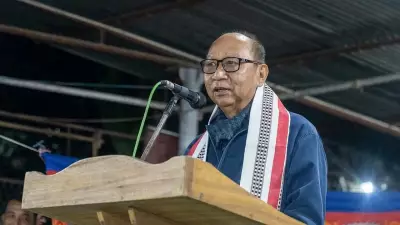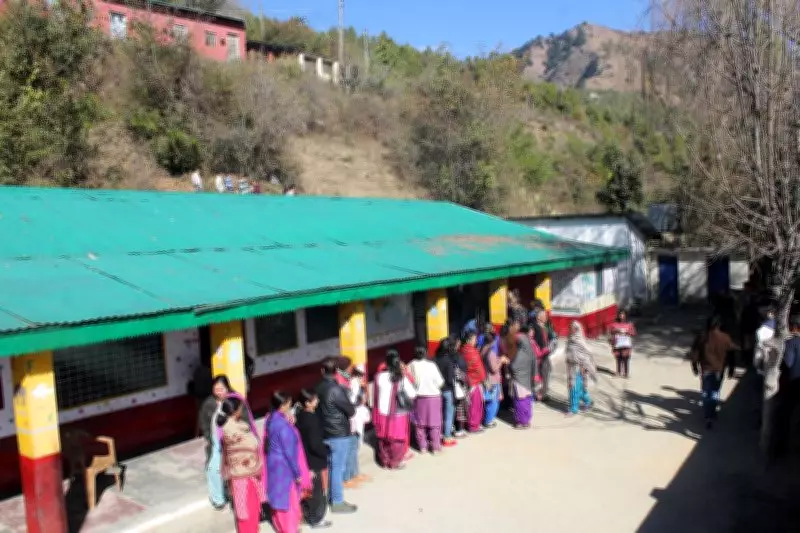
The role of representatives of Panchayati Raj Institutions (PRIs) in Himachal Pradesh has undergone a significant transformation over the years. From being mere implementers of government schemes, they have evolved into key players in local governance, development, and community empowerment. This shift reflects the broader decentralization of power and the increasing emphasis on grassroots democracy.
Historical Context
Panchayati Raj Institutions have a long history in India, with their roots in traditional village councils. After independence, the Constitution of India, through the 73rd Amendment Act of 1992, gave constitutional status to these bodies. In Himachal Pradesh, the Panchayati Raj Act was enacted in 1994, paving the way for a three-tier system of local self-government at the village, intermediate, and district levels.
Evolving Responsibilities
Today, PRIs are responsible for a wide range of functions, including agriculture, health, education, social welfare, and infrastructure development. They have been entrusted with the implementation of flagship government programs such as the Mahatma Gandhi National Rural Employment Guarantee Act (MGNREGA), Swachh Bharat Mission, and Pradhan Mantri Awas Yojana. This has empowered local representatives to directly impact the lives of their communities.

Challenges Faced
Despite these advancements, representatives face several challenges. Limited financial resources, lack of technical expertise, and bureaucratic hurdles often impede their work. Additionally, social issues such as caste dynamics and gender inequality can affect decision-making processes. Women representatives, in particular, struggle to assert their authority in a traditionally male-dominated sphere.
Empowerment Through Training
To address these challenges, the state government and various non-governmental organizations have initiated training programs for PRI representatives. These programs focus on capacity building, financial management, and leadership skills. Digital literacy initiatives have also been introduced to help representatives leverage technology for better governance.
Success Stories
Despite the hurdles, there are numerous examples of effective local governance. In some districts, panchayats have successfully implemented water conservation projects, improved school infrastructure, and promoted renewable energy. These success stories highlight the potential of PRIs to drive sustainable development when adequately supported.
The Way Forward
To further strengthen the role of PRI representatives, there is a need for greater fiscal devolution and administrative autonomy. Strengthening accountability mechanisms and promoting transparency through social audits can also enhance their effectiveness. Moreover, encouraging youth participation in local elections can bring fresh perspectives and energy to panchayats.
In conclusion, the changing role of Panchayati Raj representatives in Himachal Pradesh reflects a positive trend towards decentralized governance. While challenges remain, the continued empowerment of these local leaders is crucial for achieving inclusive and sustainable development in rural areas.