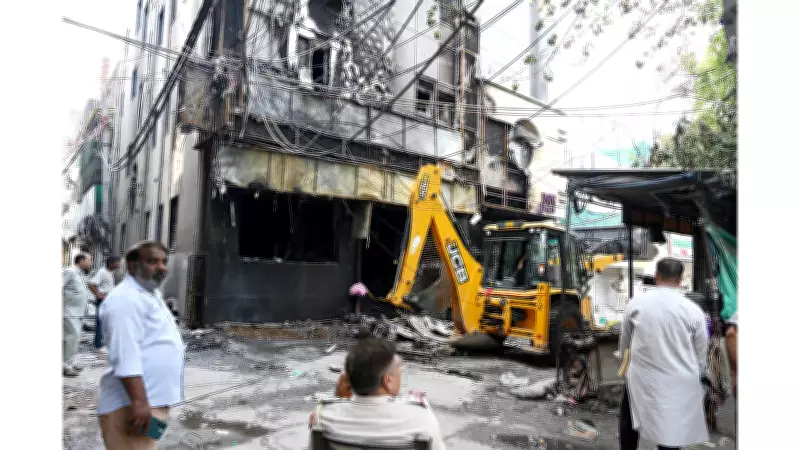
Last week, a devastating fire swept through a five-storey bed-and-breakfast in Hauz Rani, Malviya Nagar, Delhi, claiming 21 lives. Among the deceased were 13 foreign nationals. The incident has sparked urgent discussions on fire safety regulations in India.
Critical Safety Lapses
Reports indicate that the building operated without a fire No Objection Certificate (NOC). It had only a single entry and exit point, sealed windows, and a locked terrace. The fire originated in a basement kitchen, with smoke and flames rapidly ascending through the central staircase, trapping occupants.
Key Deficiencies
- No fire NOC: The building lacked mandatory fire safety clearance.
- Single egress: Only one entry and exit were available, hindering evacuation.
- Sealed windows: Windows were sealed, preventing alternative escape routes.
- Locked terrace: The terrace was locked, cutting off a potential safe zone.
- Basement kitchen: The kitchen's location in the basement allowed smoke to spread upward.
Lessons for India
This tragedy underscores systemic failures in fire safety enforcement across the country. Key lessons include:

- Mandatory fire NOCs: Strict enforcement of fire safety certificates for all commercial buildings.
- Multiple exits: Buildings must have at least two independent escape routes.
- Unobstructed windows and terraces: Windows and terraces should remain accessible for emergency evacuation.
- Kitchen safety: Kitchens should be located away from stairwells and fitted with fire suppression systems.
- Regular inspections: Periodic fire safety audits by municipal authorities.
The Delhi fire serves as a grim reminder that lax regulations and poor enforcement can have fatal consequences. It is imperative for policymakers to implement and monitor stringent safety norms to prevent such disasters in the future.