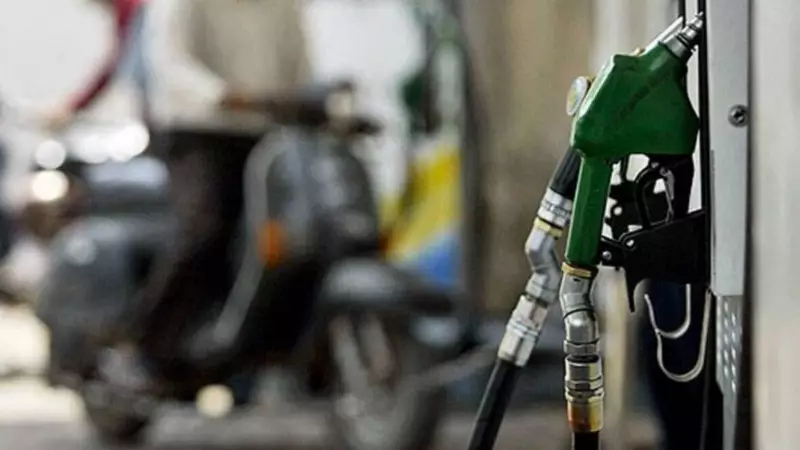
In a drastic move to combat the capital's toxic air, the Delhi government has announced that fuel pumps across the city will refuse to sell petrol or diesel to vehicles without a valid Pollution Under Control Certificate (PUCC) starting Thursday, December 18, 2025. Environment Minister Manjinder Singh Sirsa made the announcement on Tuesday, giving vehicle owners just one day to comply.
Strict Enforcement at Fuel Stations and Borders
The directive mandates all dealers of petrol, diesel, and CNG to verify a vehicle's valid PUCC before dispensing fuel. From December 18, any vehicle found without a current certificate will be denied fuel at the pump. The government stated this step is crucial for controlling harmful tailpipe emissions from vehicles.
Enforcement will be rigorous. Sirsa explained that authorities will use Automatic Number Plate Recognition (ANPR) systems and on-ground checks to verify both the PUCC status and the emissions category (BS norms) of vehicles. He urged citizens not to argue with officials at fuel stations or border checkpoints if their vehicles are found non-compliant.

Double Blow for Non-Compliant Vehicles
The fuel ban is part of a broader set of anti-pollution measures. In a significant parallel restriction, the government has also banned the entry of private vehicles registered outside Delhi if they are not BS-VI compliant. This means BS-IV standard cars with registration plates from Noida, Gurgaon, Ghaziabad, or Faridabad cannot enter the capital.
"If you are caught, the vehicle may be seized," warned Minister Sirsa. This entry ban is in addition to existing Graded Response Action Plan (GRAP) restrictions, which already prohibit BS-III petrol and BS-IV diesel vehicles from Delhi roads during severe pollution episodes.
The longstanding ban on diesel vehicles older than 10 years and petrol vehicles older than 15 years in Delhi-NCR, based on National Green Tribunal and Supreme Court orders, also remains. However, the Supreme Court provided interim relief earlier this year by halting coercive action against these 'end-of-life' vehicles.
Broader Pollution Crackdown Across Sectors
Sirsa detailed the government's multi-sectoral approach to tackling pollution. The pace of legacy waste biomining at Delhi's three landfill sites has been increased from 20,000 metric tonnes per day to 35,000 MT per day. Approximately 45 acres of reclaimed land are being converted into plantations and dense urban forests.
Industrial pollution is under scrutiny as well. The Delhi Pollution Control Committee has issued over 2,000 notices and imposed penalties worth Rs 9.21 crore on polluting industries. Online Emissions Monitoring Systems are now installed in 280 industrial units, and a survey has identified 824 unregulated industries for enforcement action.
To clean public transport, 3,427 electric buses have been inducted, with a target of 7,500 e-buses by December 2026. The government is also cracking down on diesel generators, mandating catalytic converters and imposing penalties on 32 generators. 318 banquet halls have been instructed to rectify their DG sets, facing potential sealing for non-compliance.
In a welfare measure, 10,000 electric heaters have been distributed to night security guards to prevent biomass burning for warmth.
Calling pollution a "disease" affecting Delhi's children, Sirsa blamed previous governments for the crisis. He accused Congress leaders Rahul Gandhi and Priyanka Gandhi of silence during earlier pollution emergencies, positioning the current administration as actively working to "cure this challenging" problem.