Delhi Doubles Parking Charges During Winter Months to Combat Air Pollution
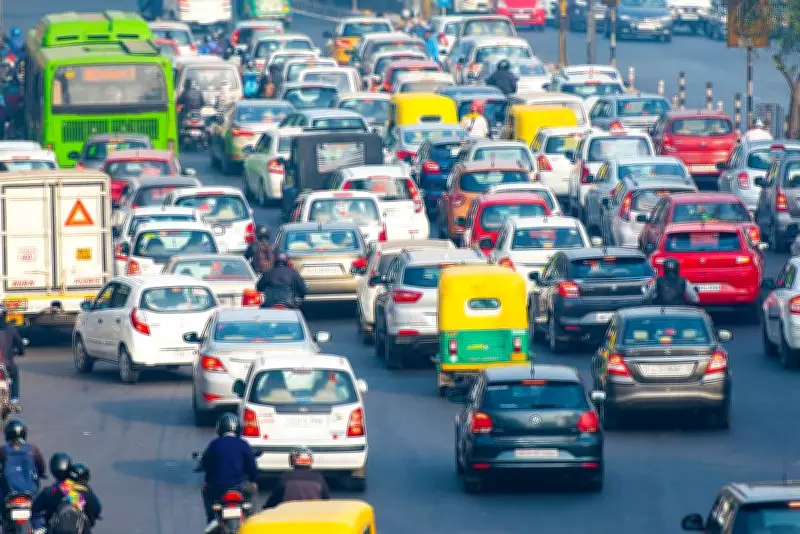
The Delhi Government has issued new environmental directions doubling parking charges at authorised parking lots across the city from November 1 to February 28 each year. The measure, announced by the Environment Department under the Environment (Protection) Act, 1986, aims to discourage private vehicle use and reduce vehicular emissions during the peak pollution season.
Parking facilities owned and managed by the Delhi Metro Rail Corporation (DMRC) are exempted from the hike to encourage commuters to use the Metro and its park-and-ride facilities. The government has directed Urban Local Bodies (ULBs) to ensure strict compliance with the revised charges.
Broader Winter Pollution Control Measures
The notification includes a comprehensive set of annual winter pollution-control directions that will remain in force from November 1 to February 28. These measures include staggered office timings for government offices, a 50% work-from-home mandate for government and private offices from November 1 to January 31, restrictions on entry of non-Delhi BS-VI-below vehicles, and a requirement for fuel stations to dispense fuel only to vehicles carrying a valid Pollution Under Control Certificate (PUCC).

The directions will apply every year unless stricter provisions under the Commission for Air Quality Management's Graded Response Action Plan (GRAP) are invoked, in which case those provisions take precedence.
Implementation and Enforcement
The Environment Department has made Urban Local Bodies responsible for implementing the doubled parking fees. The government expects that higher parking costs will reduce private vehicle usage, thereby cutting down vehicular emissions that contribute significantly to Delhi's winter air pollution.
The notification also mandates that all government and private offices adopt a 50% work-from-home policy during the three-month period from November to January, reducing the number of commuters on the road. Staggered office timings for government offices will further help ease traffic congestion and lower emissions during peak hours.
Vehicle Restrictions and Pollution Control
In addition to parking fee hikes, the winter action plan restricts the entry of non-Delhi vehicles that do not meet BS-VI emission standards. Fuel stations are directed to sell fuel only to vehicles with a valid PUCC, ensuring that polluting vehicles are taken off the roads.
These measures are part of Delhi's annual strategy to tackle the severe air quality deterioration that typically occurs during winter months due to factors like temperature inversion, stubble burning, and increased vehicle emissions.