

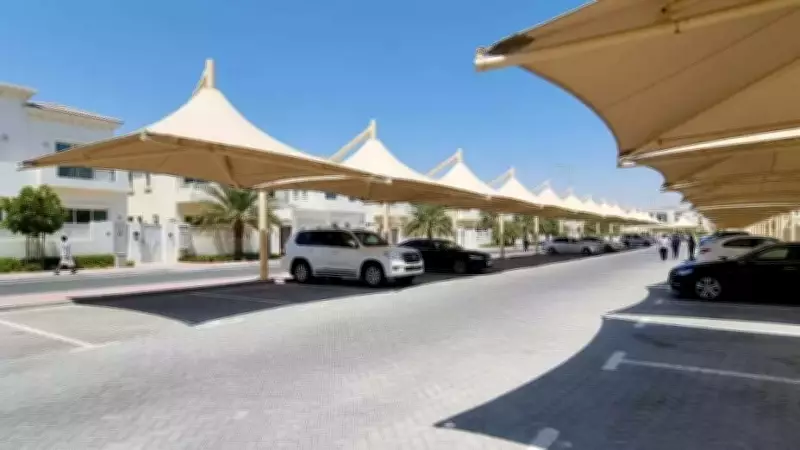
Dubai RTA Introduces Formal Permit System for Residential Parking Shades
As the scorching Dubai summer approaches, residents face the familiar ordeal of entering vehicles that have been baking in 45-degree heat. While installing a parking shade might appear to be a straightforward do-it-yourself project or a quick contractor job, the Roads and Transport Authority (RTA) has issued a firm reminder that streets and pavements outside villas are public property. To preserve the organized beauty of Dubai's residential communities and ensure unobstructed access for emergency vehicles, the RTA has clarified and streamlined regulations governing who can construct these structures and their precise specifications.
New Parking Shade Installation Permit System
Dubai's Roads and Transport Authority has officially rolled out a formal permit system that allows residents to install parking shade structures in residential neighborhoods, subject to specific conditions. This initiative follows extensive community feedback, particularly as summer temperatures soar and cars parked in direct sunlight become a daily concern for homeowners. The newly introduced "Parking Shade Installation Permit" is applicable only to designated and properly reserved parking spaces in residential areas, meaning residents cannot arbitrarily erect shades anywhere on public streets.
Permits must be applied for through the RTA website and are processed exclusively via approved contractors. This is not merely a symbolic gesture but a meticulously regulated system designed to ensure safety, order, and visual consistency across Dubai's diverse neighborhoods. According to the RTA's guidelines, only the villa owner or a legally authorized representative can submit the request through the RTA website or the "Dubai Drive" mobile application.

Key Requirements and Specifications
Applicants are required to provide a detailed site plan indicating the exact location of the proposed shade. The structure must not interfere with utility lines managed by DEWA, telecommunications infrastructure, or existing trees. The RTA strictly prohibits the use of makeshift materials, such as old fabric or wooden planks. Instead, the shade must be constructed from high-quality, weather-resistant materials that align with the architectural aesthetic of the neighborhood.
Critical Rules and Limitations
The RTA has established precise guidelines to prevent these shades from becoming hazards. One of the most crucial regulations is the "Pedestrian Path" requirement. Residents must ensure that the shade does not obstruct sidewalks, maintaining a minimum clearance to allow safe passage for pedestrians, including those using wheelchairs or pushing strollers. Additionally, the height of the shade must be sufficient to accommodate standard SUVs and service vehicles parking underneath without roof contact, yet it must not be so high as to obstruct the line of sight for drivers at nearby corners.
Compliance and Consequences
For the average resident, adhering to these rules is not solely about avoiding substantial fines but also about considering the common impact. Ensuring that personal convenience does not become a neighbor's inconvenience is paramount. The RTA conducts regular inspection tours through residential zones to identify unauthorized or dilapidated shades. If a shade is found to be rusty, torn, or constructed without a permit, the owner will receive a notice to rectify the situation or face removal of the structure at their own expense.
By following the RTA guidelines, residents can keep their cars cool, maintain property values, and contribute to Dubai's reputation as one of the world's most organized cities. This balanced approach addresses both individual needs and community welfare, reflecting Dubai's commitment to urban planning excellence.






