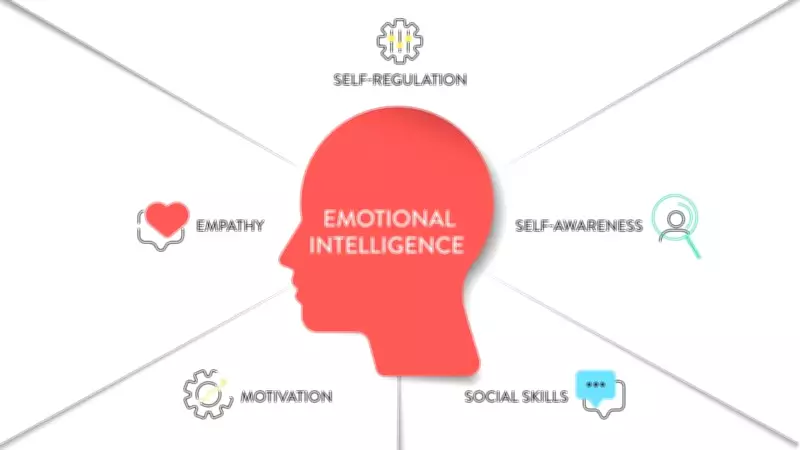
Emotional intelligence (EI), popularised by psychologist Daniel Goleman in 1995, is the ability to perceive, understand, manage and effectively use emotions, both your own and those of others. Goleman identified five core components: self-awareness, self-regulation, motivation, empathy and social skills. While often discussed in corporate leadership, EI is equally vital in government and public administration.
Why Emotional Intelligence Matters for Bureaucrats
Bureaucrats operate in high-pressure environments where decisions affect millions. Without emotional intelligence, even the most technically competent officers can fail to inspire trust, navigate conflicts, or implement policies effectively. EI enables leaders to remain calm during crises, understand citizen grievances, and collaborate across departments.
Building Trust Through Empathy
Empathy allows bureaucrats to see issues from the public’s perspective. When officials genuinely listen and respond with compassion, citizens are more likely to cooperate with government initiatives. This trust is essential for successful policy implementation, especially in areas like public health, disaster response, and social welfare.

Self-Regulation in High-Stakes Decisions
Self-regulation helps bureaucrats control impulses and avoid reactive decisions. In volatile situations, such as protests or economic shocks, a composed leader can de-escalate tensions and make rational choices. This skill also reduces burnout and promotes long-term career sustainability.
Delivering Results Where Institutions Fail
In many countries, government institutions suffer from inefficiency, corruption, or lack of accountability. Emotional intelligence offers a human-centric approach to reform. Leaders with strong EI can motivate teams, resolve conflicts, and create a culture of integrity. They are better at managing change and inspiring others to embrace new processes.
Case Studies from Public Administration
Research shows that bureaucrats trained in EI achieve higher citizen satisfaction and better policy outcomes. For instance, in India, officers who practice empathetic communication have improved vaccine uptake and reduced bureaucratic red tape. Similarly, in crisis management, emotionally intelligent leaders coordinate relief efforts more effectively.
The Five Pillars Revisited
- Self-awareness: Understanding one’s emotions, strengths, and weaknesses. This helps bureaucrats seek feedback and grow.
- Self-regulation: Managing disruptive emotions and adapting to changing circumstances. Essential for ethical governance.
- Motivation: A passion for public service beyond external rewards. Drives persistence and innovation.
- Empathy: Recognizing and considering others’ feelings. Builds trust and inclusive policies.
- Social skills: Effective communication, conflict resolution, and collaboration. Key for networking and negotiation.
Integrating EI into Bureaucratic Training
Civil service academies worldwide are beginning to incorporate EI modules into their curricula. Role-playing, mindfulness exercises, and feedback sessions help officers develop these competencies. However, institutional resistance and lack of measurement tools remain challenges. Governments must prioritize EI as a core competency for leadership positions.
In conclusion, emotional intelligence is not a soft skill but a hard requirement for effective governance. Bureaucrats who master their emotions build trust, deliver results, and strengthen democratic institutions. As governments face increasingly complex challenges, EI will become the hidden leadership skill that makes the difference between failure and success.