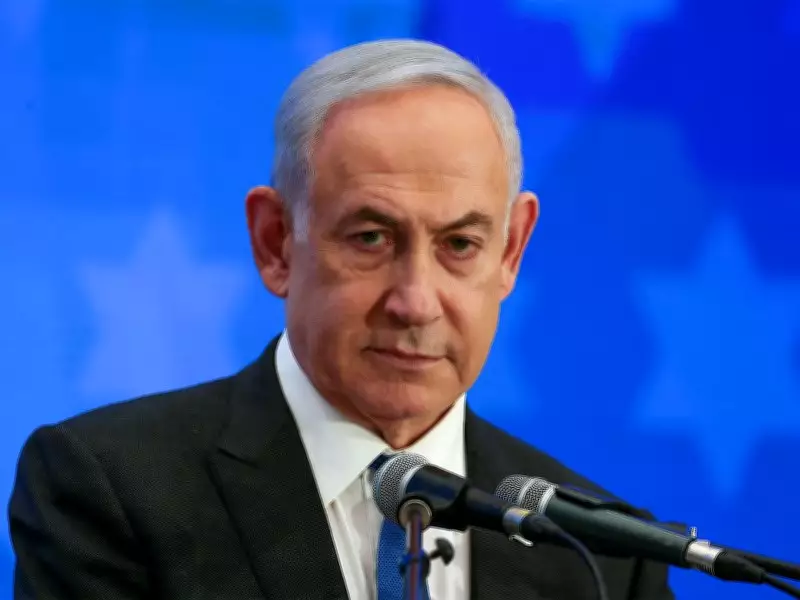
In a significant legal development, an Israeli court has dismissed a petition filed by Prime Minister Benjamin Netanyahu's Likud party challenging the legitimacy of former Prime Minister Naftali Bennett's tenure. The ruling upholds the validity of the previous government formed in 2021, which ended Netanyahu's 12-year uninterrupted rule.
Court Ruling Details
The Jerusalem District Court rejected the petition on procedural grounds, stating that the Likud party failed to provide sufficient evidence to support its claims. The court emphasized that the formation of the government under Bennett was conducted in accordance with Israeli law and parliamentary procedures.
Background of the Challenge
Likud had argued that the coalition government led by Bennett was illegitimate due to alleged irregularities in the coalition agreements and the vote of confidence. The party sought to invalidate decisions made during Bennett's tenure, including appointments and policy implementations.

However, the court found no basis for these allegations, noting that the government was formed through a legitimate process involving multiple parties in the Knesset. The ruling is seen as a setback for Netanyahu, who has been vocal in criticizing the Bennett government as unstable and unconstitutional.
Political Implications
The decision comes amid ongoing political turmoil in Israel, with the country heading towards its fifth election in less than four years. Netanyahu, who is currently on trial for corruption charges, has been attempting to regain power by discrediting his political rivals.
Legal experts suggest that this ruling could bolster the position of current Prime Minister Yair Lapid, who took over from Bennett earlier this year. It also reaffirms the judicial system's role in resolving political disputes without interference.
Reactions from Key Figures
Naftali Bennett welcomed the court's decision, stating that it validates the work of his government and the democratic processes in Israel. He called for unity and a focus on national issues rather than personal vendettas.
In contrast, Likud officials expressed disappointment and hinted at a possible appeal to the Supreme Court. They maintain that the coalition's formation was flawed and that the court's ruling does not address the core issues.
Broader Context
The legal challenge was part of a broader strategy by Netanyahu's allies to undermine the legitimacy of governments formed without his leadership. Since leaving office, Netanyahu has faced multiple legal battles, both personal and political.
This ruling is likely to have a calming effect on the political landscape, at least temporarily, as parties prepare for the upcoming elections. It also underscores the resilience of Israel's democratic institutions in handling contentious political issues.
As the country moves forward, the focus remains on pressing matters such as security, economic challenges, and social divisions. The court's decision may help redirect attention away from legal disputes and towards substantive policy debates.