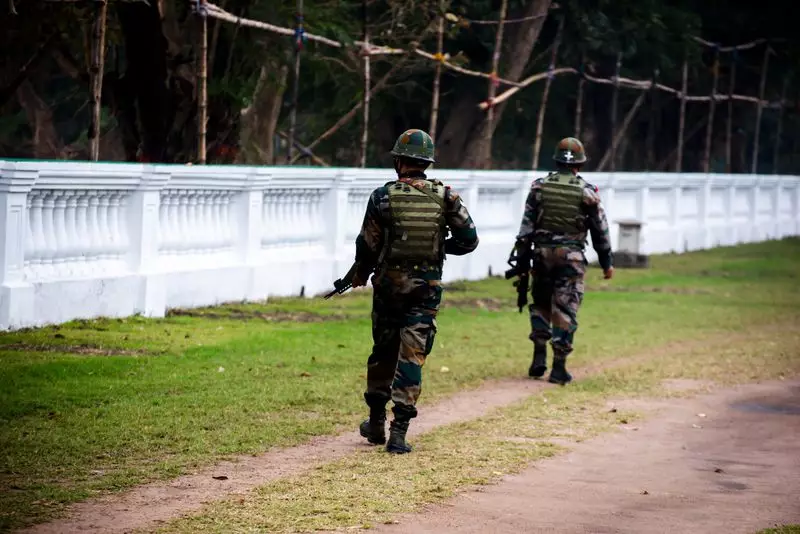
Scattered across India are unique, self-contained enclaves that blend civilian life with a distinct military character. These are the cantonments, a legacy of British colonial rule that continues to function under a special administrative framework. Unlike ordinary military stations, these areas house both armed forces personnel and a civilian population, governed by a unique set of rules.
The Historical Roots and Legal Framework
The story of Indian cantonments begins with the British East India Company. The first such enclave was established in Barrackpore in 1765, followed by another in Danapur in 1766. The primary purpose was to station troops strategically. The legal foundation for their administration was laid with the Cantonments Act of 1924, a law enacted by the British Parliament. Following independence, India adopted and later amended this act, with the Cantonments Act of 2006 currently governing these areas.
Today, India has 62 cantonments spread across various states. Some of the most prominent include Pune Cantonment, Mhow Cantonment, and Delhi Cantonment. Each is administered by a Cantonment Board, a unique form of municipal governance. This board is a blend of elected civilian representatives, nominated military members, and ex-officio members from the local military station.

Governance and Administration of Cantonment Boards
The Cantonment Board operates as a democratic yet specialized civic body. Its composition ensures both civilian representation and military oversight. The board is chaired by the Station Commander, typically a senior military officer, who serves as the ex-officio President. The executive authority rests with the Chief Executive Officer, who is usually a civilian officer from the Defence Estates Organisation of the Ministry of Defence.
The board's responsibilities mirror those of a municipal corporation but within the specific context of the cantonment. These duties include:
- Maintaining and developing civic infrastructure like roads, parks, and street lighting.
- Ensuring public health and sanitation standards.
- Overseeing primary education facilities within the cantonment area.
- Regulating land use and construction through bylaws and zoning plans.
This hybrid model aims to balance the needs of the civilian residents with the operational and security requirements of the armed forces stationed there.
Cantonments vs. Military Stations: Key Differences
It is crucial to distinguish a cantonment from a military station. A military station is primarily a location where military units and their installations are based. It is predominantly under military control, with minimal or no civilian residential areas integrated into its core. Civilian access is often restricted.
In contrast, a cantonment is a notified area where military and civilian populations coexist. It contains not just military facilities but also civilian dwellings, markets, schools, and other civic amenities. The Cantonment Board provides municipal services to all residents, making it a mixed-administration zone. This dual character is what makes cantonments unique entities in India's administrative landscape.
The future of these historic enclaves continues to evolve. While they remain vital for the armed forces, their governance models are occasionally reviewed to ensure efficient service delivery to civilian residents and optimal support to the military. The 62 cantonments stand as living reminders of a colonial past, adapted to function within the world's largest democracy, serving both the nation's defenders and the citizens who live alongside them.