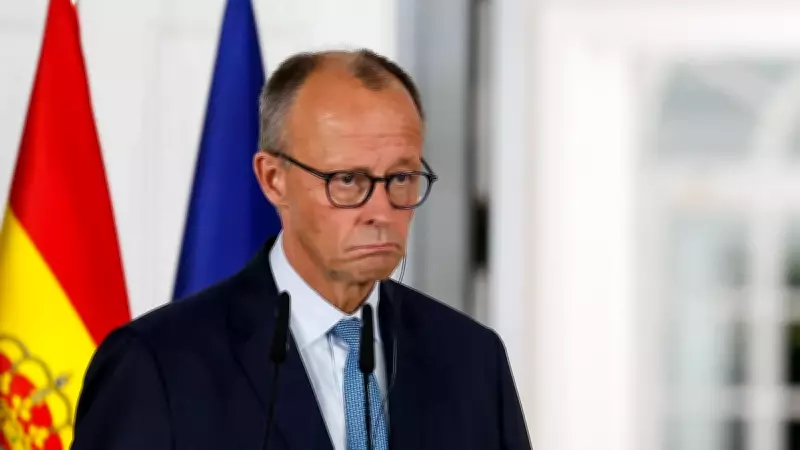
Germany has implemented a stricter sick leave policy requiring employees to provide a doctor's note from the first day of illness, effective immediately. The measure is part of a broader 34-point reform package unveiled by German Chancellor Friedrich Merz, aimed at addressing what he described as "extraordinarily high levels of sick leave" in German companies.
Chancellor Merz Announces Reform Package
Speaking at a press conference in Berlin, Chancellor Friedrich Merz stated, "We can no longer accept the extraordinarily high levels of sick leave in our companies." The reform package includes multiple provisions to reduce absenteeism and strengthen the labor market. According to government data, sick leave rates in Germany have risen significantly in recent years, with some sectors reporting absenteeism rates exceeding 10%.
New Sick Leave Rules
Under the new policy, employees who fall ill must obtain a medical certificate from the first day of absence, rather than the previous rule that allowed a three-day grace period. This change aims to deter unnecessary sick leave and ensure that only genuinely ill workers stay home. Employers are now required to enforce this rule strictly, and failure to provide a doctor's note may result in unpaid leave or disciplinary action.

Impact on Workers and Businesses
The reform has sparked debate among labor unions and business associations. While employer groups welcome the move as a way to boost productivity, unions argue that it could pressure workers to come to work while sick, potentially worsening public health. The German Trade Union Confederation (DGB) criticized the policy, stating that it undermines workers' rights and could lead to increased stress and burnout. However, the government maintains that the policy is necessary to maintain economic competitiveness and reduce the burden on social security systems.
Broader Economic Context
Germany's economy has faced challenges in recent years, including labor shortages and rising healthcare costs. The reform package also includes measures to improve digital health services and streamline medical certification processes. According to the Federal Statistical Office, sick leave costs the German economy billions of euros annually. The government hopes that the new policy will reduce these costs and encourage a healthier workforce.
Reactions and Next Steps
The reform is expected to be debated in the Bundestag in the coming weeks. Opposition parties have called for a more balanced approach that protects workers while addressing employer concerns. Chancellor Merz has defended the policy as a necessary step to ensure fairness and sustainability in the labor market. The government is also planning to monitor the policy's impact and adjust it if needed.