

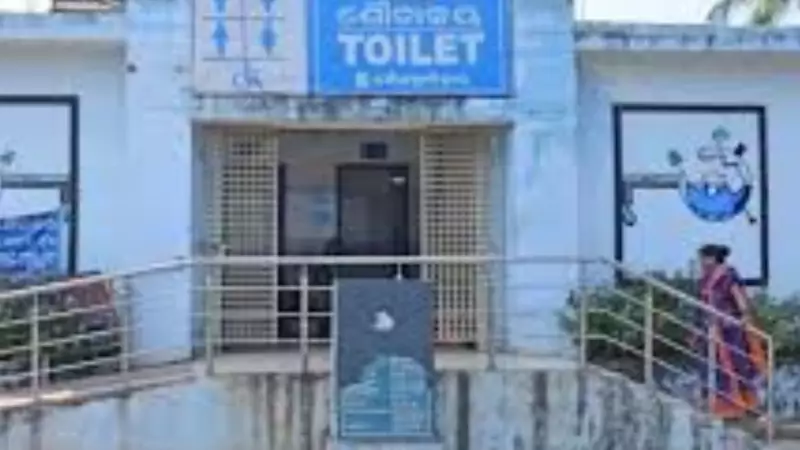
In a significant push toward enhancing public sanitation infrastructure, the Indian government has unveiled plans to construct 29,000 state-of-the-art "aspirational toilets" across the country. This ambitious initiative aims to provide modern, technology-enabled restroom facilities at tourist destinations, religious sites, and other high-footfall areas.
Nationwide Distribution and Key Features
The massive sanitation project will span 3,920 municipal areas across 36 states and union territories, with Madhya Pradesh leading the implementation with 5,131 toilets, followed by Maharashtra with 4,385 units and Tamil Nadu with 3,762 facilities. The announcement came on Wednesday during World Toilet Day celebrations organized by Sulabh International.
These aspirational toilets represent a substantial upgrade from conventional public restrooms, featuring automatic flushing systems, voice assistance technology, and reliable power backup. The facilities are designed with user convenience at the forefront, incorporating separate sections for men and women, gender-neutral options, and child-friendly amenities.

Official Inauguration and Government Vision
The initiative gained momentum with the simultaneous inauguration of 900 modern toilets across 100 complexes, including prominent facilities in Indore and Lucknow. The housing and urban affairs ministry emphasized that the Swachh Bharat Mission is now actively encouraging all urban local bodies to expand public toilet infrastructure to meet growing sanitation demands.
Speaking at the inauguration event, Housing and Urban Affairs Minister Manohar Lal Khattar highlighted the changing public perception toward cleanliness. "Across India and around the world, better and cleaner toilet systems are being put in place. In our country too, mindsets are changing — and must change. You judge cleanliness by not just seeing a tidy home or bedroom, but by the condition of the kitchen and toilets," he remarked.
Transformative Impact on Society
Jal Shakti Minister C R Patil underscored the profound effect that proper sanitation facilities have on women's lives, particularly in rural areas. He emphasized that toilet construction has significantly contributed to protecting women's dignity, safety, pride, and honor. "Safe sanitation and safe water are essential—and it all begins with access to toilets. In rural areas, 12 crore toilets have been constructed," Patil added, highlighting the scale of India's sanitation revolution.
Kumar Dilip, President of Sulabh International, celebrated India's pioneering role in sanitation innovation and community-led initiatives that promote dignity and hygiene. The comprehensive approach to public sanitation reflects the government's commitment to creating inclusive, modern infrastructure that serves all citizens while addressing critical public health needs.

