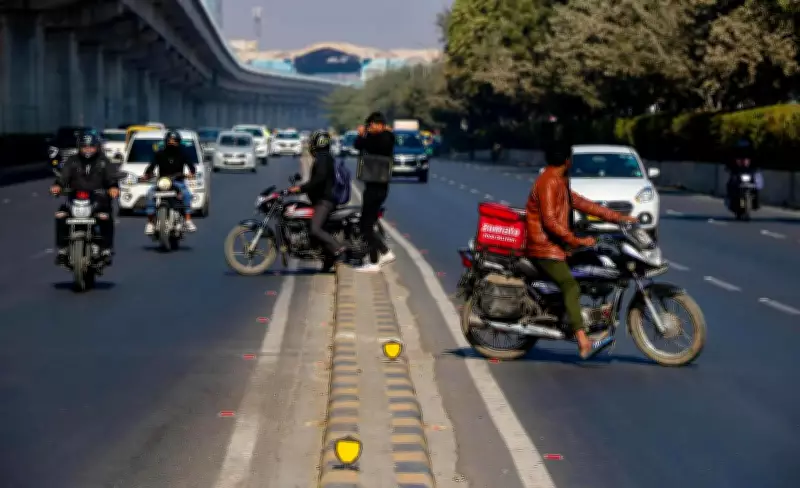
The Haryana government has implemented stricter regulations for cab aggregators, mandating a minimum insurance cover of Rs 5 lakh for passengers. This measure aims to provide financial protection in the event of accidents or incidents like robbery during rides.
Key Decisions from Cabinet Meeting
The decision was finalized during a cabinet meeting on Monday as part of a comprehensive overhaul of aggregator licensing rules in the state. The new policy also requires aggregators to provide health insurance of at least Rs 5 lakh and term insurance of Rs 10 lakh for drivers registered on their platforms. Delivery partners are also covered under the same insurance provisions.
Implementation and Passenger Charges
While the state government has approved the rules with immediate effect, it remains unclear whether passengers will bear the cost of this insurance or have the option to opt out, similar to practices in flights and trains. A senior official from a leading cab aggregator stated that the company would first study the government order before deciding on operational integration of the insurance. “We will go through the notification in detail and then decide the scheme of things,” the official added.

Commuters' Response
For frequent app-based cab users, the move brings reassurance. A city resident who relies on such services due to inadequate public transport said, “At least there will now be some financial support if something goes wrong during a ride. That is a relief.”
Scope of New Rules
The regulations, approved under the Haryana Motor Vehicles Rules, 1993, align with Union road transport ministry guidelines and directions from the Commission for Air Quality Management. They apply to all aggregators offering passenger services, as well as vehicles used by delivery service providers and e-commerce companies. Although the policy mentions January 1, 2026, as a cutoff date, officials clarified that it takes effect from Tuesday. The policy does not specify the status of vehicles that joined platforms between January and May.
Environmental Conditions
A major environmental condition has been incorporated into the policy. Only vehicles running on clean fuel—such as CNG, electric, battery-operated, or other approved sources—can be added to fleets of cab and transport aggregators, delivery service providers, and e-commerce companies in the National Capital Region (NCR). For three-wheelers and auto-rickshaws, only CNG or electric vehicles will be permitted to join existing fleets. This means new enrollees on e-delivery platforms must use electric bikes, while those already registered can continue. This effectively prohibits adding new petrol and diesel vehicles to such fleets in NCR.
A senior government official clarified that the restriction applies solely to aggregators and delivery platforms, not to private vehicle buyers. Another official noted that most existing cab and auto fleets already comply, stating, “Most cabs and autos in NCR are already running on CNG and electric. Only some two-wheelers are still on petrol. That transition is also underway.”
Additional Requirements
The framework makes licensing mandatory for aggregators and delivery service providers. It lays down onboarding norms for drivers and vehicles, passenger safety measures, grievance redressal systems, refresher training, cybersecurity compliance for apps, and fare regulation. Vehicles must be equipped with location tracking devices, panic buttons, first-aid kits, and fire extinguishers. Aggregators are required to run 24x7 control rooms and call centers, digitally verify drivers and vehicles through the Vahan and Sarathi portals, and maintain detailed digital records. The licensing process will be managed via cleanmobility.haryanatransport.gov.in.