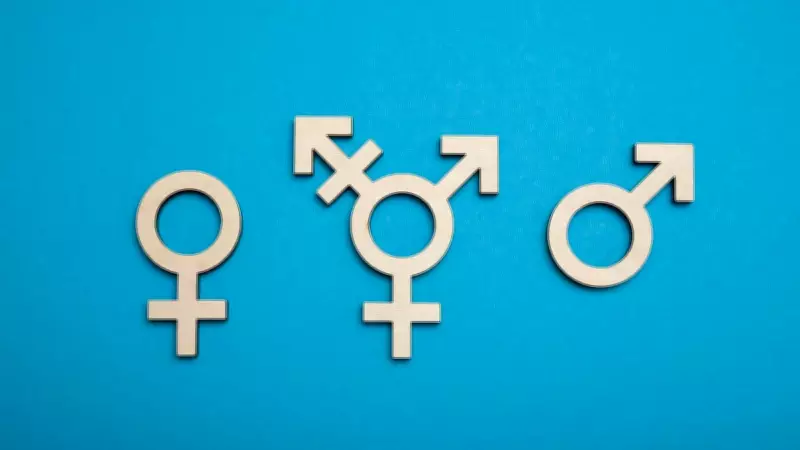
New Law Reverses Self-Identification, Mandates Medical Board
India's Transgender Persons (Protection of Rights) Amendment Act, 2026, has replaced the right to self-identify gender with a requirement for clinical evaluation by a medical board. This shift, effective from July 2026, has sparked concerns among activists and healthcare professionals about increased stigma and barriers to essential care.
Under the original 2019 Act, transgender individuals could self-declare their gender. The amendment now mandates a district-level medical board to assess and attest gender identity, a process critics say pathologizes transgender identity.
Healthcare Access at Risk
Activists warn the new rules will delay access to hormone therapy and surgeries. “Requiring a medical board creates a bureaucratic hurdle that can take months, during which individuals may not receive timely treatment,” said a transgender rights activist. Delays in hormone replacement therapy can lead to serious health complications, including increased risk of depression and suicide.

According to a 2025 study by the Indian Journal of Medical Ethics, 40% of transgender individuals reported avoiding healthcare due to fear of discrimination. The new law could exacerbate this, as medical board evaluations may involve invasive questions and stigma.
Impact on Mental Health
The amendment also affects legal recognition, which is tied to healthcare access. Without updated identity documents, transgender people face difficulties in employment, housing, and social services. The reversal of self-identification is seen as a setback for mental health, as validation of gender identity is crucial for well-being.
“Self-identification was a global standard for dignity,” the activist added. “This step backward increases vulnerability.” The law has drawn criticism from United Nations experts and human rights organizations.
Implementation Challenges
Medical boards, consisting of a psychiatrist, endocrinologist, and social worker, are to be set up in each district. However, infrastructure and training remain inadequate. Many districts lack specialists, potentially leading to long waiting periods or travel burdens.
The government defends the amendment as a measure to prevent fraud and ensure accuracy. However, no evidence of widespread misuse of self-identification has been presented. The debate continues as transgender communities mobilize for legal challenges.