

In a significant shift for urban mobility, the iconic e-rickshaws of Jaipur are set for a major operational overhaul. Starting January 21, these vehicles will no longer roam freely like autorickshaws but will function as stage carriages on designated routes, mirroring the system used by Jaipur City Transport Services Limited (JCTSL) buses.
New Zone and Route System for E-Rickshaws
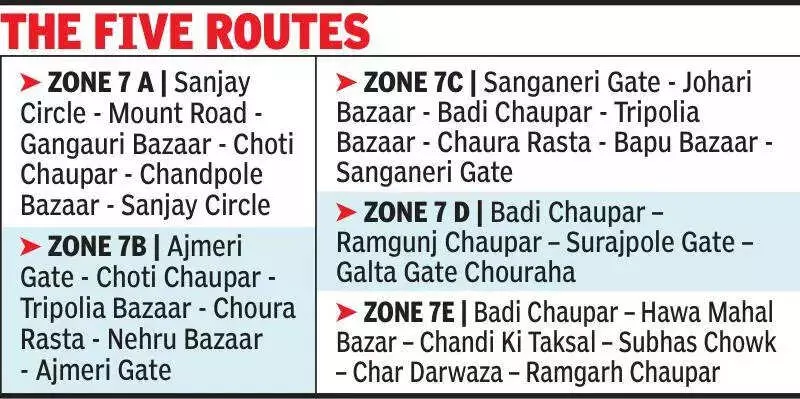
The Jaipur traffic police have decided to partially implement a zone segregation policy specifically for e-rickshaws. Under this new framework, the city has been divided into seven zones. Zone 7 is dedicated to the areas inside the historic Walled City. Authorities have placed a strict cap, allowing only 250 e-rickshaws to operate within this congested zone.
These 250 vehicles will be distributed across five specific sub-routes, with 50 e-rickshaws allocated to each route. An official explained the rationale, stating, "Of the seven zones planned for e-rickshaws, Zone 7 is for areas inside Walled City. We want only 250 e-rickshaws inside Walled City on five different routes, with 50 e-rickshaws each allotted one specific route." This model is not entirely new to India, with cities like Agra and Kolkata already operating similar fixed-fare route systems for e-rickshaws and autorickshaws.

Connecting Metro Stations and Reducing Congestion
The design of the new routes is strategic. Traffic officials have crafted them to ensure e-rickshaws do not run parallel to the city's metro lines, thereby avoiding redundancy and reducing traffic conflict. Instead, their primary role will be to act as feeders, connecting the two metro stations located inside the Walled City—Badi Chaupar and Choti Chaupar—with various localities in the surrounding area.
"All the five routes inside Walled City would connect with either of the two metro stations or both," confirmed an official. This move aims to create an integrated last-mile connectivity solution, making metro travel more accessible for residents and visitors navigating the narrow lanes of the old city.
Allocation Process and Future Expansion
The selection of which 250 e-rickshaws will get to operate on these lucrative Walled City routes will be conducted through a transparent lottery system. The traffic police have already invited applications from interested drivers and owners for allotment to the five sub-zones. This formal process aims to bring order to a sector that has largely operated informally.
While the initial focus is on Zone 7 (Walled City), the plan includes creating similar official sub-routes for the remaining six city zones designated for e-rickshaw operations. This indicates a broader vision to systematically integrate e-rickshaws into Jaipur's formal public transport network, potentially improving regulation, safety, and reliability for passengers.
The January 21 implementation date marks the beginning of this structured approach, which could serve as a model for other Indian cities grappling with managing the growing number of e-rickshaws in a sustainable and organized manner.






