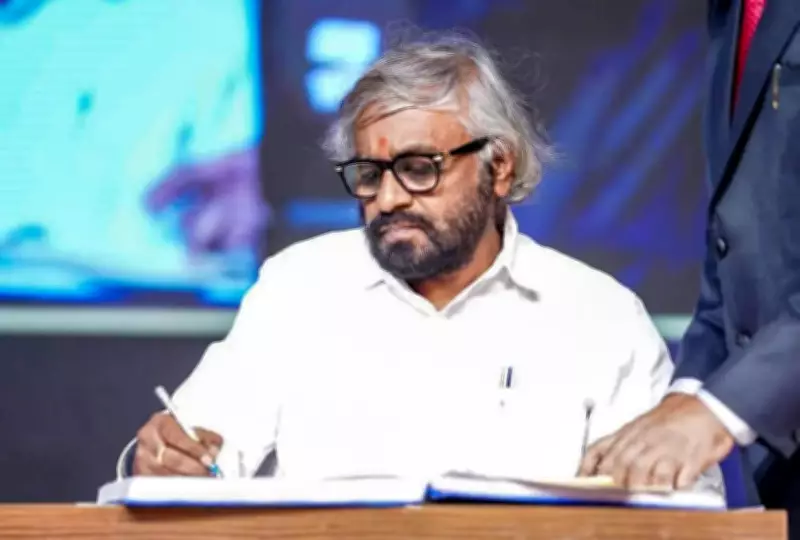
Bengaluru: While some of his cabinet colleagues remained disgruntled with their portfolios and refused to take charge, newly appointed rural development and panchayat raj minister Eshwar Khandre got down to brass tacks Friday and set priorities for his department. These include ensuring clean drinking water, improving sanitation, and creating quality public assets in villages.
Key Priorities for Rural Development
Khandre said the government was committed to supplying drinking water to rural areas through surface water sources for the next 25 years, and that determined efforts would be made to realize the goal. Recalling Mahatma Gandhi’s words that “the soul of India lies in its villages,” he said strengthening rural infrastructure would be the center of his agenda.
Focus on Cleanliness and Water Conservation
He said priority would be given to maintaining cleanliness in villages, conserving lakes and water bodies, and improving civic amenities. Khandre mentioned he would hold an introductory meeting with department officials on Saturday to draw up an action plan.

Continuity of Ongoing Projects
He praised his predecessor Priyank Kharge, saying he had performed well and that ongoing projects and initiatives would be continued and strengthened.
Transition from Forest Ministry
Khandre’s shift to RDPR comes even as several major projects initiated during his tenure as forest and environment minister are nearing completion. An aide said: “Despite limited financial resources and numerous administrative challenges, Khandre demonstrated impactful work is possible in the forest department. The timing of the portfolio change has come as a disappointment because several major projects that he personally monitored over the past three years had reached the final stage and were awaiting inauguration or implementation.”
Projects Awaiting Rollout
- The proposed 150-acre biodiversity park at Madappanahalli near Yelahanka.
- Karnataka’s first marine sanctuary at Mugli-Apsarakonda in Honnavar.
- Rehabilitation plans for forest dwellers in Kudremukh National Park and Bhimgad Wildlife Sanctuary.
- An elephant soft-release center in the Cauvery Wildlife Sanctuary.
The conversion of Bannerghatta Biological Park into India’s first fully solar-powered zoo and eco-restoration measures at Hesaraghatta Community Conservation Reserve are also in the final stages.