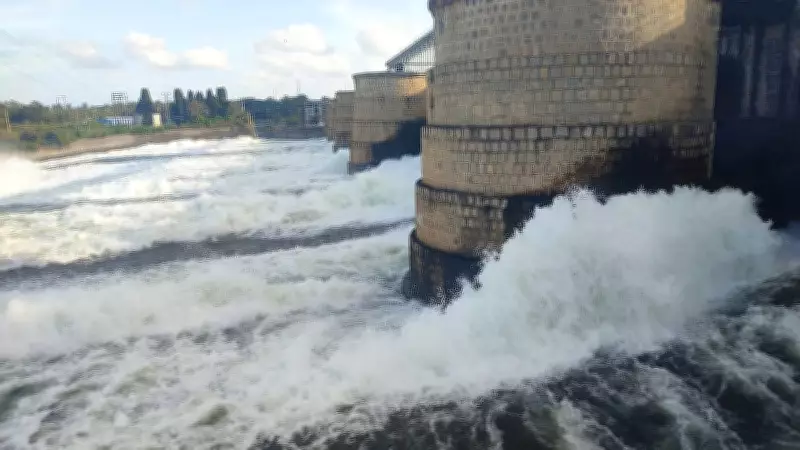
Cauvery Basin Storage Drops Below 2023 Drought Levels
Karnataka's major reservoirs have recorded their second-lowest storage levels in the past six years, according to data from the state's water resources department. The situation is particularly alarming in the Cauvery basin, where water storage this year has fallen below the levels recorded during the drought year of 2023.
The reservoirs in the Cauvery basin, which are critical for irrigation and drinking water supply in southern Karnataka, are currently holding only a fraction of their total capacity. As of July 26, 2026, the combined storage in these reservoirs stood at less than 30% of their full capacity, a sharp decline from the previous year.
Statewide Reservoir Levels at Critical Low
Across the state, the total storage in all major reservoirs is at its second-lowest point for this time of year in the last six years. Only the drought year of 2023 saw slightly lower levels, but the current crisis is exacerbated by weak monsoon rains in June and July.

The Karnataka government has already begun contingency measures, including rationing water for irrigation and prioritizing drinking water supplies. Officials have warned that if the monsoon does not pick up in the coming weeks, the situation could worsen, leading to a severe water shortage in urban and rural areas alike.
Impact on Agriculture and Drinking Water
The low reservoir levels threaten the ongoing kharif cropping season, with farmers in the Cauvery basin facing reduced water allocations. The state is likely to face challenges in meeting the water demands of cities like Bengaluru, Mysuru, and Mandya, which rely heavily on these reservoirs.
According to a senior official from the Karnataka Water Resources Department, “The current storage situation is precarious. We are closely monitoring the situation and have activated emergency protocols to ensure equitable distribution of available water.” The official added that the government is also exploring cloud seeding options to boost rainfall.