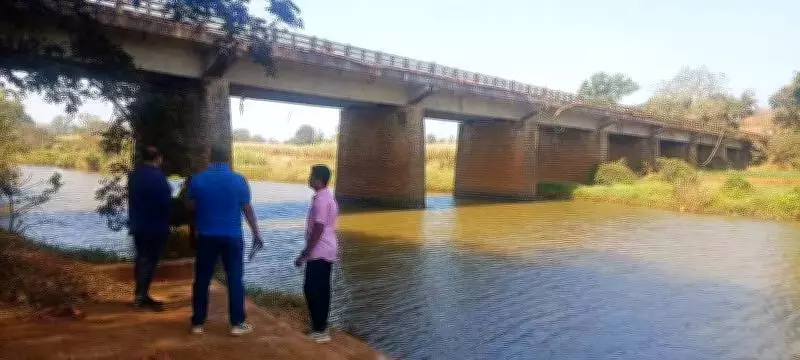
Kolhapur Bridge Vulnerability Study Highlights Flooding as Primary Threat
A recent pilot assessment focusing on risk and vulnerability has evaluated 15 bridges across rivers in Kolhapur district, revealing that flooding poses the most frequent and severe danger. This threat is primarily driven by overflowing rivers and intense monsoon rainfall, which have historically impacted the region.
Secondary Hazards and Historical Context
Landslides, especially in hilly terrains, emerged as the next significant hazard, followed by moderate seismic risks and minimal threats from cyclones. Kolhapur has a documented history of floods and landslides, with notable events occurring in 2005, 2015, 2019, and 2021. These incidents result in both direct costs, such as repairs and reconstruction, and indirect costs like transportation disruptions across river networks.
Research Methodology and Key Findings
The study was conducted by a research team led by expert Sachidanand Joshi, under the UBMS Research Group, which specializes in bridge management. The analysis took place in December 2025 and January 2026, with findings submitted to the Kolhapur district disaster management authority, headed by collector Amol Yedge, earlier this month. Adhering to globally accepted standards, the study aims to support resilience planning, prioritize interventions, and facilitate informed decision-making.

Prasad Sankpal, head of the district disaster management department, emphasized the study's recommendations, stating, "The study has proposed measures to strengthen bridges against flood impacts." Bridges in the Panchganga and Warana river basins, many situated along crucial state highways, were included in the assessment. The evaluation encompassed structural health checks of decks, superstructures, substructures, bearings, expansion joints, and foundations.
Aging Infrastructure and Distress Indicators
The pilot study recorded various signs of distress, including cracking, reinforcement corrosion, bearing wear, and joint deterioration. A significant finding is that most bridges are over 50 years old, with exceptions being the Ibrahimpur, Majgaon, and Gothe bridges. The oldest structures, the Kur and Balinge bridges, are nearly 90 years old. The report notes, "Due to their age, fatigue and overloading are major causes of deterioration," adding that all but four bridges exhibited severe distress.
Risk of Collapse and Future Assessments
According to the report, all surveyed bridges face a collapse risk under three flooding-related failure scenarios, with some also showing similar vulnerabilities to earthquakes. Sankpal announced plans for a broader assessment covering over 200 bridges in the district, with funding proposals to be submitted under non-mitigation study funds. He added, "The group has developed this assessment system and has already evaluated 10,000 bridges across India."